


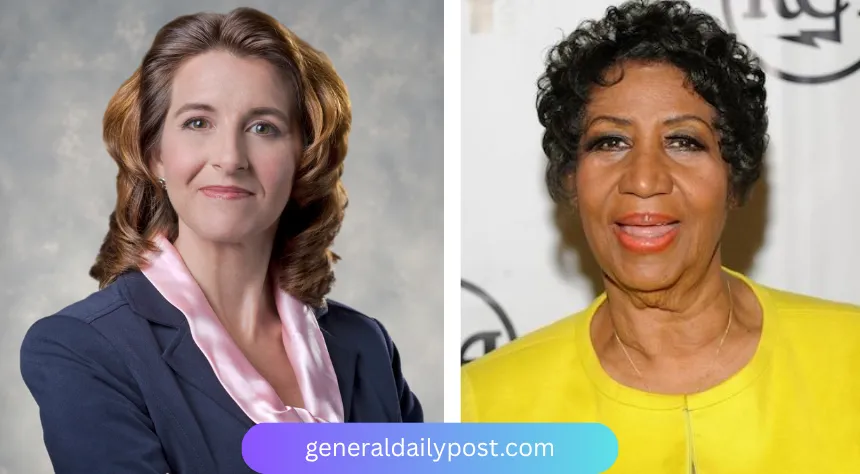
Aretha Franklin and Kathy Warden achieved prominence in very different parts of American life. Franklin, celebrated as the Queen of Soul, transformed popular music through her singing, piano playing, and expressive interpretation. Warden built a career in technology and executive management, becoming the leader of Northrop Grumman. Their biographies offer a useful comparison of artistic influence and organizational authority. This article considers their careers separately before exploring shared themes of preparation, responsibility, and women’s achievement. The comparison is editorial: it does not establish a personal relationship or collaboration between them. Understanding their different backgrounds helps explain why each became influential within her own field.
Aretha Franklin’s Childhood and Musical Family
Aretha Louise Franklin was born on March 25, 1942, in Memphis, Tennessee, and grew up mainly in Detroit. Her father, Reverend C. L. Franklin, was a prominent Baptist minister whose preaching attracted national attention. Her mother, Barbara, was a singer and pianist. Music, religious expression, and community leadership surrounded the young Franklin. Her mother died when she was ten, a painful loss during her formative years. At Detroit’s New Bethel Baptist Church, Franklin developed her voice in an environment where performance carried spiritual meaning. Gospel figures including Mahalia Jackson and Clara Ward were part of the wider musical world she encountered through her father’s connections. [1]
Gospel Foundations and the Columbia Years
Franklin learned piano by ear and began performing in church while still young. Gospel offered more than an introduction to singing: it taught her how to shape a phrase, respond to listeners, and build emotional intensity. As a teenager, she traveled on the gospel circuit with her father. In 1960, she signed with Columbia Records, where producer John Hammond helped introduce her to a broader recording audience. Her early secular recordings explored jazz, blues, standards, and popular songs. Although this period did not produce the defining commercial breakthrough that followed, it demonstrated her versatility. Franklin was already developing the musical judgment that would distinguish her later recordings. [2]
The Atlantic Breakthrough and “Respect”
A move to Atlantic Records in 1966 brought Franklin into the recording environment associated with her greatest early successes. Working with producer Jerry Wexler, she recorded music that gave greater room to her gospel and blues foundations. Her 1967 recording of “I Never Loved a Man (The Way I Love You)” helped establish this powerful direction. That same year, her version of Otis Redding’s “Respect” reached number one on the Billboard Hot 100. Franklin made an existing composition unmistakably her own through its arrangement, vocal authority, and perspective. The recording became a defining expression of dignity, helping establish her place at the center of American soul music. [3][4]
Classic Songs, Gospel, and Later Reinvention
Aretha Franklin’s achievement extended well beyond one famous single. “Chain of Fools,” “Think,” “I Say a Little Prayer,” and “(You Make Me Feel Like) A Natural Woman” revealed different sides of her musical personality. Her recordings could sound commanding, vulnerable, joyful, or reflective without losing their distinctive character. The 1972 gospel album “Amazing Grace” demonstrated the continuing importance of church music to her artistry. Later hits included “Freeway of Love” and “I Knew You Were Waiting (For Me),” her duet with George Michael. These successes show why her career deserves attention across several decades. She continued finding ways to reach listeners while retaining a recognizable musical identity. [5][6][7]
Civil Rights and Aretha Franklin’s Public Voice
Franklin’s public importance also rested on her involvement in the struggle for equality. Raised around a father active in civil rights, she understood the relationship between cultural expression and community life. The National Women’s Hall of Fame records her financial support for civil rights organizations and her appearances at benefits and protests. Songs such as “Respect” acquired meaning within both civil rights and women’s rights movements. However, her contribution included practical support alongside symbolic influence. This distinction matters because musical celebrity alone does not explain her civic standing. Franklin used the opportunities available to her as a performer to support causes that extended beyond the recording industry. [8]
Awards, Final Years, and an Enduring Legacy
The Recording Academy lists Franklin’s competitive Grammy record as 18 wins and 44 nominations. In 1987, she became the first woman inducted into the Rock & Roll Hall of Fame, a milestone in an institution recognizing popular music’s leading figures. Her national honors included the Presidential Medal of Freedom in 2005. Franklin died on August 16, 2018, aged 76. The following year, the Pulitzer board awarded her a posthumous Special Citation, recognizing a cultural contribution spanning more than five decades. These honors describe different dimensions of her achievement: recording excellence, historical influence, and national cultural importance. Her legacy remains accessible through the performances and recordings themselves. [4][7][9][10]
Kathy Warden’s Education and Early Preparation
Kathy Warden followed a different route toward public responsibility. A 1992 graduate of James Madison University, she studied computer information systems and economics. She later earned an MBA from George Washington University. JMU’s account of her education emphasizes logical problem solving, teamwork, and learning from approaches that initially failed. Those experiences help explain the connection between technical study and executive work. Information systems require attention to how separate components operate together, while economics introduces questions about resources and decisions. Her university experience also included activities beyond coursework. Viewed as preparation for management, this combination illustrates how formal education and everyday collaboration can reinforce one another over time. [11][12]
Building Experience Before Northrop Grumman
Before joining Northrop Grumman, Warden worked across several organizations and commercial settings. Her career included nearly a decade at General Electric, leadership roles at Veridian Corporation and General Dynamics, and experience as a principal in an internet venture. She joined Northrop Grumman in 2008. This background matters because executive development usually involves more than a single promotion or employer. Work in different environments exposes a manager to changing customer needs, operating practices, and organizational expectations. Warden’s professional record shows experience across both government and commercial markets. That breadth helps readers understand the foundation beneath her later appointments without treating her eventual chief executive title as an isolated achievement. [13]
Becoming Northrop Grumman’s Chief Executive
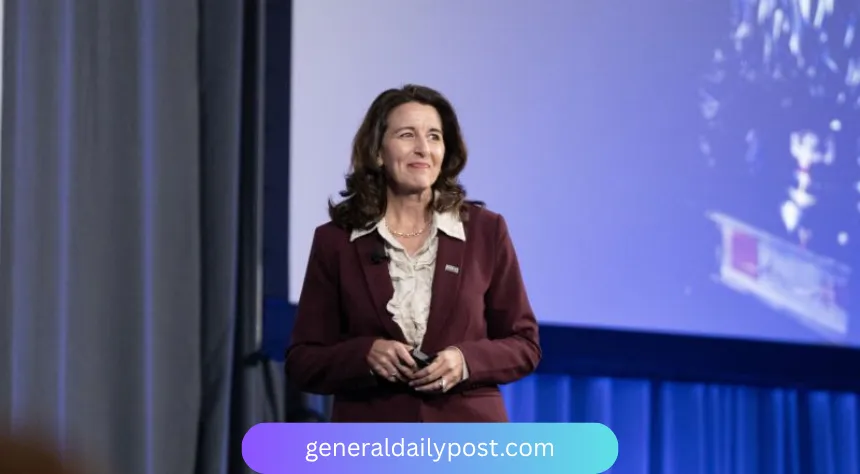
At Northrop Grumman, Warden led the Information Systems and Mission Systems sectors before becoming president and chief operating officer. Her responsibilities included operational management and leading the integration of the company’s Orbital ATK acquisition. She became chief executive officer and president on January 1, 2019, and became board chair later that year. As of November 1, 2026, Northrop Grumman’s official leadership page identifies her as chair, chief executive officer, and president. The sequence is important: her board and executive responsibilities developed through several appointments. Her biography is therefore a story of increasing organizational scope, moving from business leadership toward responsibility for the corporation as a whole. [12][14]
Leadership, Learning, and Operational Recognition
Kathy Warden public comments at JMU emphasize resilience, teamwork, and responding constructively to setbacks. In practical terms, these ideas concern how people continue working when an initial plan fails or an opportunity does not arrive. They also help explain why leadership involves behavior alongside technical knowledge. In 2022, Columbia Business School’s W. Edwards Deming Center recognized Warden with the Deming Cup for Operational Excellence, alongside fellow recipient Tim Steiner. The award recognizes leadership associated with operational excellence and continuous improvement. It provides a documented professional honor without requiring unsupported claims about every decision made under her leadership. Her record is best assessed through specific responsibilities, outcomes, and independently identifiable recognition. [11][15]
Aretha Franklin and Kathy Warden: Influence and Opportunity
Comparing Aretha Franklin and Kathy Warden reveals two distinct ways influence can develop. Franklin communicated directly through performance, while Warden’s authority operates through an organization and its decisions. Their contributions should therefore be judged in their respective contexts. Community opportunity provides another useful point of comparison. Franklin supported civil rights organizations; Warden and her husband, Eric Warden, announced a 2021 scholarship matching commitment of up to $1.25 million at JMU. The university described an effort intended to help students facing financial barriers. This was a dated initiative, rather than an announcement of an open campaign today. Both biographies invite readers to consider how professional success can create opportunities to support others. [8][16]

Conclusion
The lives of Aretha Franklin and Kathy Warden demonstrate how preparation and sustained work can lead to very different forms of influence. Franklin’s story belongs to the history of gospel, soul, popular music, and civic expression. Warden’s career belongs to technology, management, and corporate leadership. Reading their biographies together broadens the discussion of women’s achievement without suggesting that their circumstances or responsibilities were identical. Franklin’s completed life can be assessed through a lasting body of work, while Warden’s professional record continues to develop. Their stories offer readers a thoughtful starting point for exploring how ability, experience, institutions, and public responsibility shape an influential career over many years.
Frequently Asked Questions
Who are Aretha Franklin and Kathy Warden?
Aretha Franklin and Kathy Warden are prominent American women associated with different professions. Franklin was a singer, songwriter, and pianist widely known as the Queen of Soul. Her career included landmark recordings, major music awards, and involvement in civil rights causes. Warden is an executive who leads Northrop Grumman as chair, chief executive officer, and president, according to the company’s current leadership biography. A combined article about them is best understood as a comparison of careers and influence. Readers should keep their identities separate: Franklin’s recognition centers on music and culture, while Warden’s public role centers on executive leadership in aerospace and defense. [7][12]
Why is Aretha Franklin called the Queen of Soul?
Franklin’s Queen of Soul title reflects her defining place in soul music and her ability to connect technical skill with emotional expression. Her gospel background shaped a voice that could move between intimate storytelling and powerful declaration. Recordings such as “Respect” helped establish her as a central figure in the genre, while her wider catalog demonstrated substantial range. The title describes a cultural reputation rather than a single official appointment or award. Understanding that distinction makes her biography clearer. Her importance developed through performances, recordings, and listeners’ responses over time, supported by the lasting recognition of music institutions and fellow artists across multiple generations. [2][3][9]
What is Kathy Warden known for at Northrop Grumman?
Warden is known for serving as Northrop Grumman’s chair, chief executive officer, and president. She took office as CEO and president on January 1, 2019, after holding senior leadership responsibilities inside the company. Her earlier work included leading major business sectors and serving as president and chief operating officer. These positions explain why her biography focuses heavily on operational experience and management. Readers researching her role should distinguish her appointment dates from the dates of other board responsibilities. They should also consult current company information before publishing changing details. Her title describes responsibility for a large organization whose work involves many teams and specialist disciplines. [12][14]
What are their most important awards and milestones?
Franklin’s major distinctions include 18 competitive Grammy Awards, her 1987 Rock & Roll Hall of Fame induction, and the 2019 posthumous Pulitzer Prize Special Citation. These achievements recognize recording excellence and broader cultural influence. Warden’s documented honors include the 2022 Deming Cup for Operational Excellence, awarded through Columbia Business School’s Deming Center. Her appointment as Northrop Grumman’s CEO and president in 2019 is an important career milestone, although an executive appointment is different from an award. Comparing the two careers requires that distinction. Their honors arose from different institutions and standards, so counting them together would offer little insight into their respective achievements. [4][9][10][14][15]
How did their backgrounds influence their careers?
Franklin’s early environment brought together church music, skilled performers, and community leadership. Singing at New Bethel Baptist Church and hearing influential gospel artists helped establish the foundation for her later work. Warden’s preparation included university study and experience across multiple employers before she became a chief executive. These backgrounds suggest a useful comparison: both careers depended on learning within communities of practice. For Franklin, that community included churches, musicians, and recording collaborators. For Warden, it included university peers, professional colleagues, and management teams. This is an interpretation of their documented experiences, rather than a claim that they shared an identical approach to work or achievement. [1][11][13]
What can readers learn from their achievements?
A reasonable lesson from Aretha Franklin and Kathy Warden is that sustained achievement involves developing skills and finding ways to apply them effectively. Franklin’s recordings show the importance of a distinctive artistic voice, while Warden’s career illustrates the value of accumulating experience across increasingly complex responsibilities. Their biographies also encourage attention to the institutions and collaborators surrounding a prominent individual. Neither a singer’s reputation nor an executive’s position explains an entire career on its own. These are reflections drawn from their histories, rather than promises that following particular steps guarantees success. Readers can use them to think more carefully about preparation, responsibility, opportunity, and their own professional interests.
