


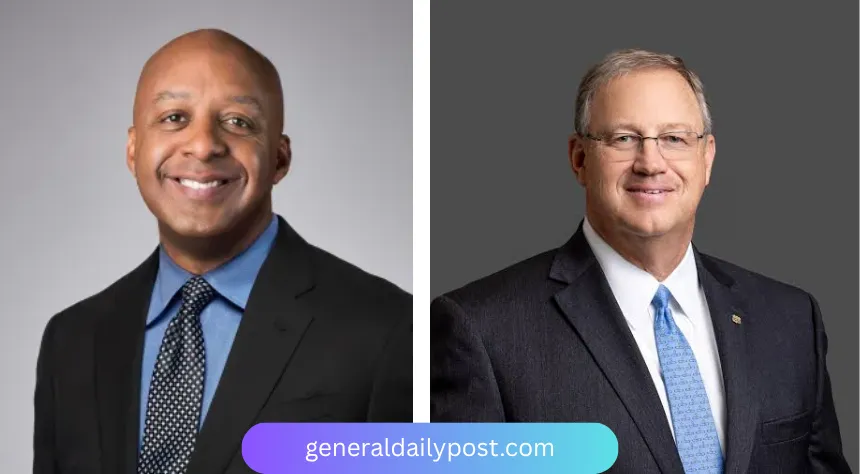
Greg Garland and Marvin Ellison built prominent business careers in industries that influence everyday life. Garland helped lead companies that produce fuels, chemicals, and energy infrastructure, while Ellison rose through retail operations to lead one of America’s largest home improvement businesses. Their stories offer two different views of corporate leadership: one begins with chemical engineering, and the other with frontline retail work. This biography examines their education, career milestones, leadership responsibilities, and continuing influence. It also distinguishes past positions from current appointments, an important detail when reading about executives whose older biographies remain widely available online. Together, their careers show how specialized experience can develop into broader business responsibility.
Greg Garland’s Education and Engineering Foundation
Greg C. Garland earned a Bachelor of Science in chemical engineering from Texas A&M University in 1980. That education provided the technical foundation for a career spanning chemicals, petroleum, and corporate management. Engineering was more than an entry qualification: it placed him close to the processes and facilities that would later shape his executive responsibilities. Speaking at Texas A&M in 2019, Garland encouraged students to work with purpose, accept change, and learn from failure. His account also acknowledged the favorable hiring conditions he encountered after graduation. This combination of preparation, opportunity, and willingness to develop helps explain his early progress without reducing a long career to a simple success formula.
Greg Garland’s Early Career at Phillips Petroleum
Garland joined Phillips Petroleum in 1980 as a project engineer at its Plastics Technical Center. His later assignments included sales engineering for plastic resins, business services for advanced materials, business development, and chemicals management. These positions gradually extended his experience beyond technical work into commercial decisions. He managed the K-Resin business unit from 1992 to 1994, then served as general manager of natural gas liquids between 1995 and 1997. In 1997, he became general manager for Qatar and the Middle East. The progression is significant because it combined product knowledge, customer exposure, and international responsibility well before he became widely known as a chief executive.
Leadership at Chevron Phillips Chemical and ConocoPhillips
Before leading Phillips 66, Garland held senior positions at Chevron Phillips Chemical, including responsibility for planning and specialty chemicals. He became the company’s president and CEO in 2008, serving until 2010. He then moved into the role of senior vice president of Exploration and Production, Americas, at ConocoPhillips, which he held from 2010 to 2012. These appointments broadened his experience across different parts of the energy business. Chemical manufacturing and exploration involve different operating challenges, investment decisions, and market pressures. Viewed together, these roles show the range of responsibilities Garland had accumulated before taking charge of an independent public company with several major business segments.
Greg Garland’s Decade Leading Phillips 66
Garland became chairman and CEO of Phillips 66 in 2012, when the business became independent following its separation from ConocoPhillips. His decade in charge helped establish the company’s identity across refining, chemicals, midstream operations, and marketing. In its April 2022 succession announcement, Phillips 66 reported that it had returned $29 billion to shareholders through dividends, share repurchases, and exchanges since he assumed leadership. The company also highlighted growth in its midstream business and a disciplined approach to investment. These are company-reported achievements, but they provide useful context for his tenure. His responsibilities involved balancing operating requirements, expansion opportunities, and shareholder distributions across a large industrial organization.
Greg Garland’s Retirement and Current Board Positions
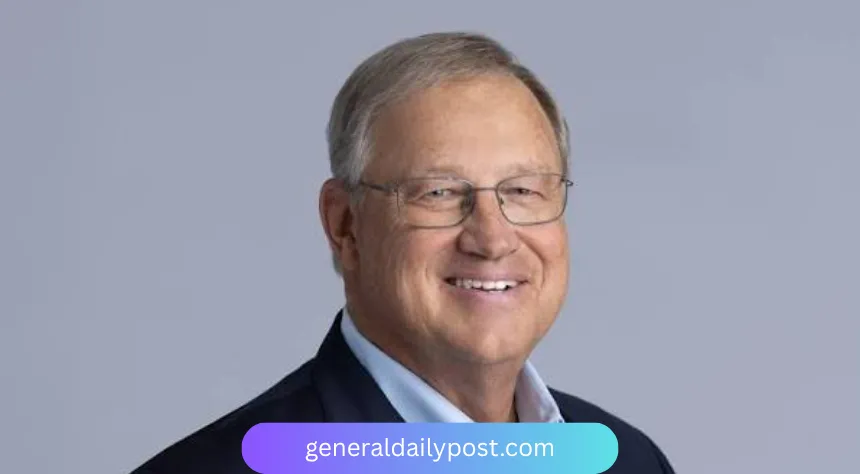
An accurate biography must distinguish Garland’s departure as CEO from his later retirement as executive chairman. Mark Lashier succeeded him as Phillips 66 CEO on July 1, 2022. Garland remained executive chairman until May 2024, supporting the leadership transition before leaving that position. He subsequently continued his corporate work through board service. As of this article’s update, he is an independent director of ExxonMobil, having joined its board in November 2025, and a director of Amgen, where his service began in 2013. Consequently, descriptions presenting him as the current Phillips 66 CEO are outdated. His professional activity now includes oversight and governance rather than running Phillips 66’s daily operations.
Marvin Ellison’s Childhood and Family Background
Marvin Ellison grew up in Brownsville, Tennessee, in a family with seven children. An Emory University profile describes modest circumstances and parents who emphasized education, effort, and the possibility of building a different future. The family performed gospel music, with Ellison playing bass guitar. His father’s determination to support the household left a lasting impression, according to Ellison’s recollections. These experiences provide context for his later emphasis on work and personal authenticity. They also make his biography distinctive: the future retail executive first learned about responsibility through family life and ordinary financial pressures, long before he supervised large organizations or discussed business strategy with investors.
Marvin Ellison’s Education and Professional Development
Ellison earned his undergraduate business degree from the University of Memphis and completed an Executive MBA at Emory University’s Goizueta Business School in 2005. His academic progress overlapped with practical work experience, giving him opportunities to connect classroom ideas with operating decisions. Emory’s account explains that his MBA strengthened his understanding of finance and strategy while supporting his advancement within Home Depot. Comparing Greg Garland and Marvin Ellison reveals two different educational foundations: Garland entered industry through engineering, while Ellison developed through business education and retail experience. Neither path alone explains executive success, but each supplied knowledge relevant to the responsibilities they later assumed at major public companies.
Marvin Ellison’s Career at Target and Home Depot
Ellison worked at Target from 1987 to 2002, holding operational positions before moving to Home Depot, where he remained until 2014. His Home Depot career included leadership in loss prevention, logistics, divisional operations, and eventually U.S. stores. As executive vice president of U.S. stores, he gained experience overseeing a vast retail network and serving both homeowners and professional customers. The sequence matters because retail leadership depends on more than selecting products or developing advertising. Stores must coordinate inventory, employees, deliveries, and customer support every day. Ellison’s background placed him close to those practical demands, creating a strong operational foundation for his later chief executive appointments.
Marvin Ellison’s Leadership at JCPenney
Ellison joined JCPenney in 2014 as president and CEO-designee, became CEO in 2015, and added the chairman’s role in 2016. He remained CEO until 2018, when he moved to Lowe’s. The appointment brought him responsibility for an established department store business facing the challenges of a changing retail market. When announcing his recruitment, Lowe’s credited his JCPenney work with improvements in the balance sheet, store productivity, operating efficiency, and selected product categories. Those statements reflect Lowe’s assessment at the time and should be understood in that context. His JCPenney tenure added companywide leadership experience to the store operations and logistics knowledge developed earlier in his career.
Marvin Ellison’s Rise to Chairman and CEO of Lowe’s
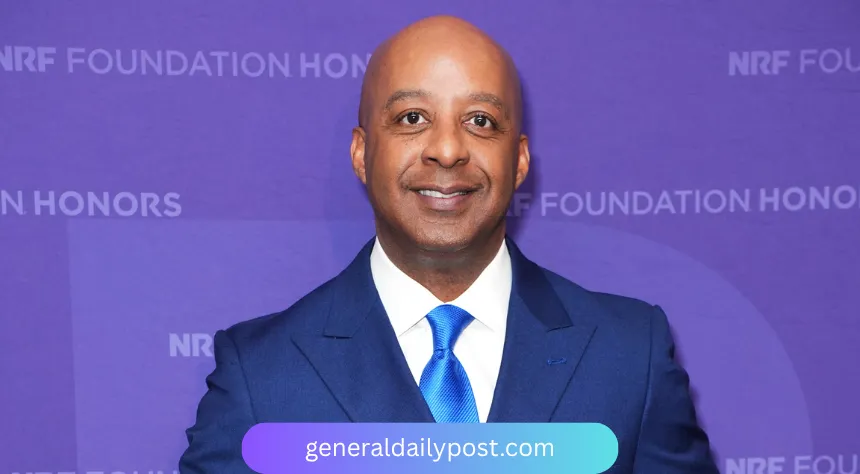
Ellison became president and CEO of Lowe’s on July 2, 2018, succeeding Robert Niblock. He later became chairman in 2021, combining leadership of the management team with leadership of the board. Lowe’s current executive profile identifies him as chairman, president, and chief executive officer. His appointment also marked a return to home improvement after his years at Home Depot and JCPenney. Lowe’s highlights his distinction as the only African American to have served as chairman and CEO of two Fortune 500 companies. That milestone gives his career significance beyond individual corporate appointments, particularly within discussions about access to senior leadership and representation in American business.
Lowe’s Total Home Strategy Under Marvin Ellison
A central feature of Ellison’s Lowe’s leadership is the Total Home strategy, which aims to address a broad range of home improvement needs. The company’s updated strategy, announced in December 2024, identified five priorities: increasing business with professional customers, accelerating online sales, expanding home services, strengthening customer loyalty, and improving the productivity of store space. In practical terms, this involves making products, services, and shopping channels work together more effectively. A homeowner may need advice and installation, while a contractor may prioritize availability and reliable fulfillment. Understanding those different needs helps explain the strategy. It also shows why Ellison’s background in stores, logistics, and customer operations remains relevant to his current position.
Greg Garland and Marvin Ellison in the 2026 Business Landscape
As of October 22, 2026, Greg Garland and Marvin Ellison occupy different professional stages: Garland contributes through board positions, while Ellison continues leading Lowe’s. The retailer’s latest reported quarter offers a useful snapshot of Ellison’s operating environment. For the second quarter of 2026, Lowe’s reported approximately $26.0 billion in sales, compared with $24.0 billion a year earlier. Comparable sales increased 0.2%, while online sales increased 15.7%. The company cited strength in professional customers and home services alongside continuing pressure on do-it-yourself demand. These mixed results matter because revenue growth alone does not describe every part of a business. Leadership must address weaker areas while supporting segments that show momentum.
Comparing the Leadership Paths of Greg Garland and Marvin Ellison
The clearest comparison between Greg Garland and Marvin Ellison concerns how they accumulated responsibility. Garland moved from engineering into commercial assignments, international management, and energy leadership. Ellison progressed through retail operations, logistics, store supervision, and companywide management. A reasonable interpretation of these records is that both developed leadership credibility through extensive operating experience. Their industries, however, demand different decisions: energy businesses manage complex industrial assets and commodity exposure, while retailers coordinate inventory, service, and changing customer demand. The shared lesson is not that one management formula works everywhere. It is that effective leadership requires understanding the specific business before making decisions that affect employees, customers, investors, and communities.
Conclusion
Greg Garland and Marvin Ellison offer two valuable examples of long-term career development in American business. Garland’s record centers on engineering, chemicals, energy leadership, and continuing board responsibilities. Ellison’s story combines a modest upbringing, business education, decades of retail experience, and leadership at JCPenney and Lowe’s. Their careers also demonstrate why dates and job titles deserve careful attention: Garland has retired from Phillips 66 leadership, while Ellison remains an active chief executive. For readers interested in business biographies, the most useful insights come from tracing how each person gained experience and handled broader responsibilities. Their influence is best understood through documented appointments, strategic decisions, and the organizations they have helped guide.
FAQ: Is Greg Garland Still the CEO of Phillips 66?
No, Greg Garland is no longer the CEO of Phillips 66. Mark Lashier succeeded him on July 1, 2022. Garland then continued as executive chairman until May 2024. These were two separate transitions, which explains why different retirement dates appear in summaries of his career. An executive chairman may continue supporting governance and leadership continuity after handing over the chief executive position. Readers should therefore check both the title and the date attached to any biography. Older pages can accurately describe a previous period while giving the wrong impression of someone’s present responsibilities. Current company biographies identify Garland through his former Phillips 66 leadership and subsequent board service.
FAQ: Which Companies Did Marvin Ellison Work for Before Lowe’s?
Before joining Lowe’s, Marvin Ellison worked at Target, Home Depot, and JCPenney. Target provided approximately 15 years of operational experience, while Home Depot added around 12 years across logistics and increasingly senior store leadership positions. JCPenney then gave him experience as a public company chief executive and chairman. This sequence helps explain why Lowe’s considered him a strong candidate in 2018. He brought knowledge of home improvement retail alongside experience managing a different retail format. His career also illustrates how skills can build across employers: inventory movement, staff management, customer service, and financial responsibility remain important even when the merchandise and shopping experience differ substantially.
FAQ: Do Greg Garland and Marvin Ellison Work in the Same Industry?
Greg Garland and Marvin Ellison are primarily associated with different industries. Garland’s executive career developed in energy and chemicals, particularly through Phillips Petroleum, Chevron Phillips Chemical, ConocoPhillips, and Phillips 66. Ellison’s career developed in retail through Target, Home Depot, JCPenney, and Lowe’s. Discussing them together is therefore most useful as a comparison of career development and leadership responsibilities. It should not imply that they followed a joint career path. Their businesses also measure operating progress differently, making direct comparisons of company size or financial results incomplete without context. A more meaningful comparison examines the experience each acquired, the challenges each role involved, and how their responsibilities changed over time.
FAQ: What Board Positions Does Greg Garland Hold?
Current corporate disclosures identify Garland as a director of ExxonMobil and Amgen. He joined ExxonMobil’s board in November 2025, while his Amgen board service dates to 2013. ExxonMobil’s biography highlights his experience in energy markets, industrial operations, investment decisions, risk management, and corporate governance. Board work differs from serving as chief executive because directors oversee management and major corporate matters rather than directing every daily activity. These appointments demonstrate that leaving one executive role does not necessarily end a business career. In Garland’s case, decades of industry experience continue to inform his responsibilities at public companies, including an energy business and a biotechnology company with different operating requirements.
FAQ: Are Greg Garland and Marvin Ellison Involved in Community Institutions?
Their published biographies document connections beyond their main corporate careers. Garland’s affiliations include the Barbara Bush Literacy Foundation, where he serves as vice chairman, and organizations connected with healthcare and cancer research. Lowe’s identifies Ellison as a member of the University of Memphis board of trustees, linking him to the institution where he earned his undergraduate degree. These roles provide evidence of participation in educational and community institutions. However, institutional involvement should not automatically be translated into a personal donation amount or a claim about measurable social impact. Those details require separate documentation. The verified affiliations are useful because they show additional areas in which both executives contribute their experience.
FAQ: What Are Greg Garland and Marvin Ellison Worth?
The sources reviewed for this article do not establish a verified, comprehensive personal net worth for Greg Garland or Marvin Ellison. Executive compensation disclosures and reported shareholdings can reveal parts of an individual’s financial position, but they do not provide a complete account of private assets, liabilities, taxes, or investments. Annual compensation is also different from accumulated wealth, and the reported value of a stock award may differ from the amount eventually realized. For these reasons, presenting an unsupported net worth figure would weaken an otherwise factual biography. Readers interested in their financial careers should distinguish disclosed compensation and ownership from estimates that lack a clear methodology or supporting records.
