


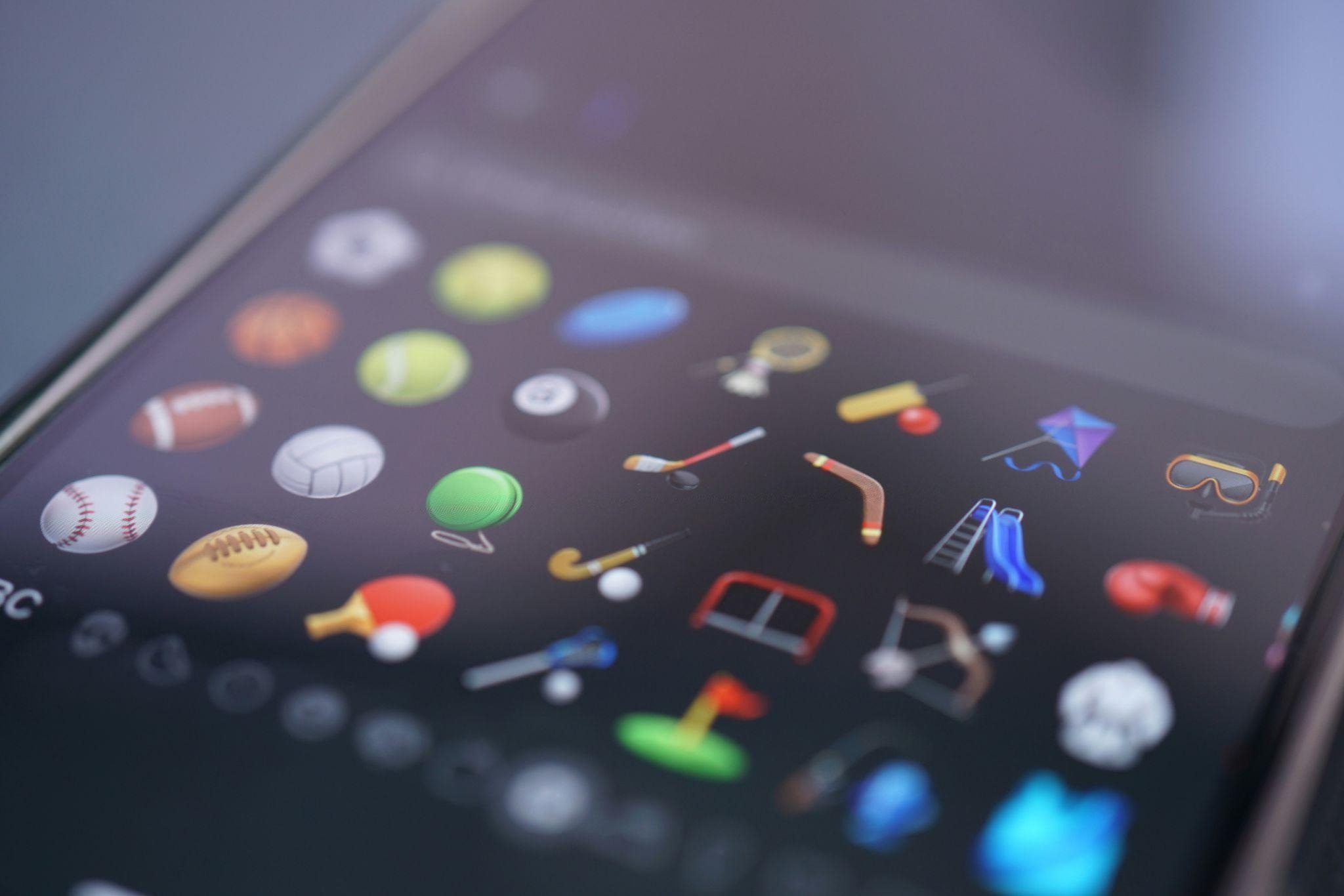
Checking a sports score once meant waiting for a TV update or finding the result in a newspaper. Then mobile apps put scoreboards in everyone’s pockets. Today, fans can follow every possession, investigate a matchup and talk about a game while it’s still unfolding. A phone has become a companion to the broadcast, not merely a place to check the final score.
The shift is about more than extra features. Sports apps now help fans choose what to follow and how deeply to follow it. The same device can serve casual viewers and dedicated followers.
From Live Scores to Detailed Game Coverage
A final score tells fans who won, but it rarely explains the story. Modern sports apps fill in the gaps with play-by-play updates, box scores, and timelines. An NFL fan can follow a scoring drive without seeing the television broadcast. Someone tracking an NBA game can check who is taking the shots and how the lead changed.
These features matter most when several games are happening at once. A basketball fan might follow a close fourth quarter while checking whether a rival team has finished its game. Baseball followers can see inning-by-inning updates without waiting for a nightly recap. The information is organized around individual matchups instead of scattered across news reports.
The NFL’s official app, for instance, provides live scoring, drive charts, and in game highlights. Fans can move from the score to the plays that produced it. The result is a clearer picture of the action, even when watching isn’t possible.
Research and Analysis at Your Fingertips
The biggest change isn’t necessarily speed. Sports apps also put useful research beside the results, so fans can explore the reasons behind a performance. Standings, recent form, injury news, and player statistics are often available within a few taps. Detailed previews add context before the first whistle or opening pitch.
Consider a Sunday NFL matchup. A fan can review how a quarterback has performed recently, check the opposing defense’s record, and read an analysis of the likely matchups. That doesn’t establish who will win. It does make the contest more interesting when viewers understand what each side is trying to do.
After the game, those same tools help explain what happened. A box score may reveal a receiver’s unusually high target count, while a written breakdown explores how the defense responded. Numbers and expert interpretation work best together. Statistics can describe a trend, but they don’t always explain its cause.
Clear Navigation Connects Different Sports Resources
Following a game on a phone often involves moving between several types of information. A fan might open the schedule, check a player’s recent performances and read a matchup preview before returning to the live score.
Clear menus help organize those different tasks. Event names, league categories and descriptive links give readers an idea of what they will find next. A link to a box score serves a different purpose from one leading to highlights or written analysis.
Sportsbook apps also bring promotional information into the mobile experience. Fans browsing FanDuel promos can review available offers and their terms alongside their other game-day resources. Useful navigation makes these transitions straightforward. Fans can choose the resources relevant to them, explore additional details and return to the game coverage that first brought them to the app.
Your Phone Becomes a Second Screen
For plenty of fans, the television remains the best place to watch a game. The phone handles everything the broadcast can’t fit on screen. During an NBA matchup, a viewer might look up a player’s shooting percentage, check another score, or follow a fantasy lineup. None of that requires leaving the main broadcast.
The advantage of having a second screen in your pocket is that you don’t have to stay in front of the television. Fans can step away to prepare dinner, catch a train or run an errand without losing track of the action. Their phones keep them connected to the game as they move between activities. They can return to the broadcast knowing what’s happened in the meantime.
Phones also make it easy to catch up if a fan does miss the action. Short highlights, team news, and reactions from friends can fill a timeout or halftime break. A second screen is most useful when it adds context without demanding constant attention.
Personalized Updates and Fan Interaction
As app features expanded, personalization gave fans more ways to organize their coverage. Favorite team settings and notification preferences let users select the updates that interest them. ESPN, for example, allows fans to adjust alerts for selected teams.
Several features support that more individual experience:
- Team alerts: Selected notifications can bring relevant scores and news into a fan’s game-day routine. Someone following one team may choose different updates from a viewer tracking several leagues,
- Fantasy tracking: Live scoring lets participants follow their lineups as games progress. ESPN Fantasy combines this with roster management, league standings and player news,
- Fan conversations: Some platforms include messaging tools for discussing games. ESPN Fantasy’s League Chat provides a specific example, allowing participants in supported leagues to communicate within the app.
These features give fans different ways to participate. Some prefer selected updates and a recap afterward, while others enjoy following statistics and discussing plays throughout a game. Adjustable settings allow each person to choose how those features fit around the broadcast.
A More Connected Way to Follow Sports
Sports apps have traveled a long way from their original scoreboard role. Live statistics, accessible research, second screen features, and personalized updates give fans more ways to stay involved. Some people want a quick result; others want to examine every possession and compare performances.
The strongest apps make both approaches possible without overwhelming the user. A fan should be able to open a score in seconds or explore a deeper story when there’s time. Technology hasn’t replaced the excitement of watching sports. It’s given people more control over everything surrounding the game.
