


The Bianca Devins murder remains one of the most widely discussed true-crime cases of the social media era. Bianca Michelle Devins, a 17-year-old from Utica, New York, was killed on July 14, 2019, by someone she considered a close friend, Brandon Andrew Clark. What made the case especially disturbing was not only the violence itself but how quickly graphic images spread across social platforms, sparking national conversations about online safety, content moderation, and victim privacy. This article walks through Bianca’s life, the events of that night, the police investigation, the trial, and the lasting legacy the case has had on internet culture and state law.
Who Was Bianca Devins?
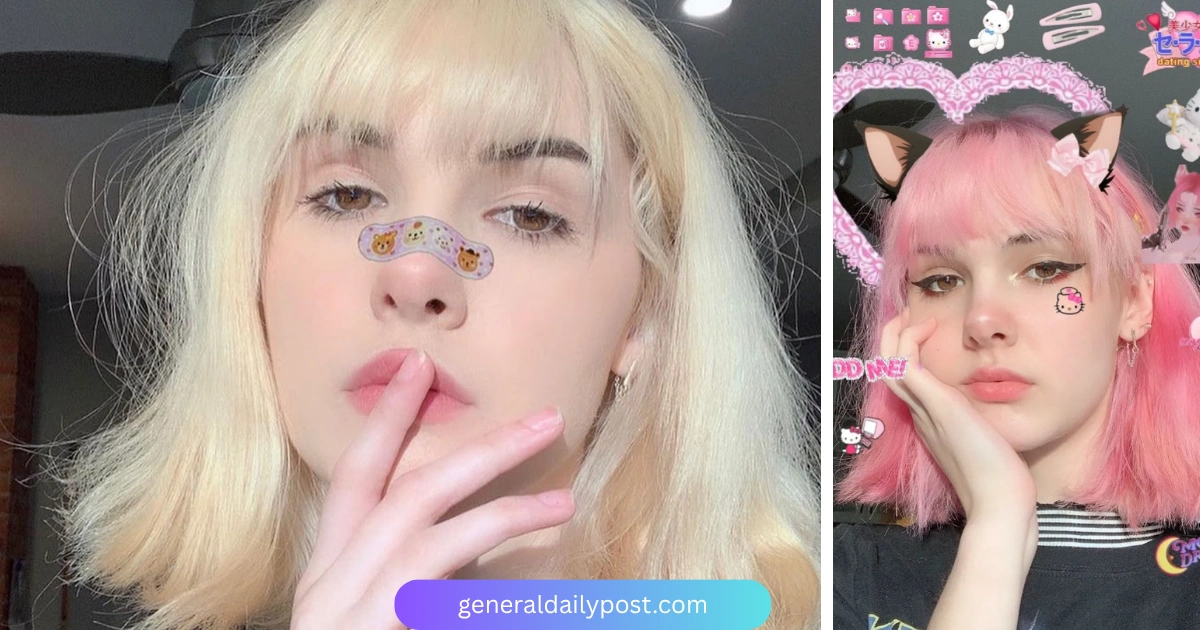
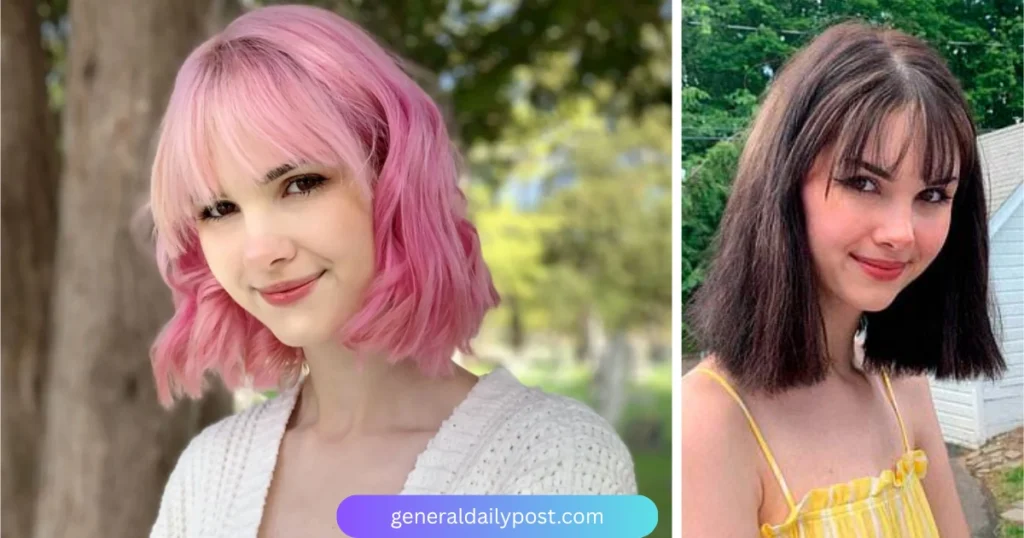
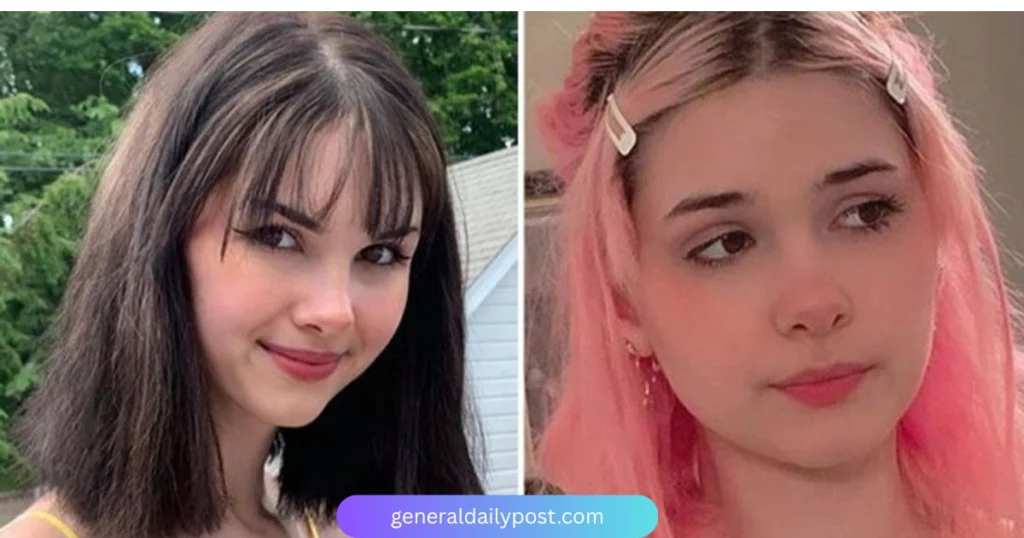
Bianca Devins was born on October 2, 2001, and grew up in Utica, New York. She had recently graduated high school just weeks before her death and was known online as a small but active Instagram and Discord personality, sharing photos, art, and music interests with a modest but devoted following. Friends and family described her as creative, gentle, and deeply engaged with online communities built around music and art. Her online presence, while not massive by influencer standards, connected her to a wide circle of internet acquaintances — including the man who would later kill her.
Bianca’s Life Before the Tragedy
Before the Bianca Devins murder made headlines, she was simply a teenager navigating the transition from high school into adulthood. She enjoyed photography, alternative music, and building friendships through social media, a common experience for her generation. Reports indicate she met Brandon Clark through Instagram in early 2018, and over time the two became close, with Clark reportedly familiar to some members of her family. Their relationship, however, was described differently by each side — Clark viewed it as romantic, while those close to Bianca say she saw it primarily as friendship, a distinction that would later prove tragically significant.
The Relationship Between Bianca and Brandon Clark
Investigators later revealed that Brandon Clark, then 21, and Bianca had known each other for roughly a year before the murder. While some accounts describe them as having briefly dated, others close to Bianca maintain the connection was platonic. This ambiguity became a focal point in early media coverage. Clark, from Cicero, New York, was said to be acquainted with Bianca’s family and had attended events with her before. Understanding this dynamic is essential to the case, since prosecutors would later argue that jealousy and perceived rejection played a central role in the events leading to her death.
The Night of the Concert
On the evening of July 13, 2019, Bianca and Brandon Clark traveled together to Queens, New York, to attend a concert by musician Nicole Dollanganger. The two had planned the trip as friends sharing an interest in music. According to investigators, tension began to build during the outing after Bianca was seen kissing another person at the venue. This moment, witnessed by Clark, is believed by prosecutors to have triggered the jealousy and rage that culminated in violence during their drive back to central New York in the early hours of the following morning.
What Happened on July 14, 2019
In the early morning hours of July 14, 2019, as the pair returned from the concert, Brandon Clark attacked Bianca in Utica, ultimately taking her life. He then attempted to take his own life before contacting emergency services. Police arrived to find Clark injured but alive; Bianca was pronounced dead at the scene. The date coincided with Boilermaker Sunday, a major local road race in Utica, meaning the city was unusually crowded when news of the killing broke, amplifying local shock and media attention almost immediately.
The Disturbing Social Media Aftermath
What separated the Bianca Devins murder from many other homicide cases was the immediate and disturbing spread of graphic imagery online. Before contacting police, Clark posted images from the crime scene to social media, and they circulated rapidly across Instagram, Discord, and other platforms within hours. Despite takedown efforts, the images resurfaced repeatedly for weeks, a phenomenon researchers later cited as an example of how difficult it is to fully remove harmful content once it spreads. This directly harmed Bianca’s family and became a defining, painful chapter of the case’s public record.
The 911 Call and Police Response
When officers arrived, they found Brandon Clark with self-inflicted injuries near the scene. During the emergency call, Clark identified himself and Bianca by name and referenced his intent to harm himself, language that was later played during court proceedings. He survived his injuries and was hospitalized before being formally taken into custody. Police charged him the following day. The chilling nature of the recorded call, combined with the graphic images already circulating online, made the case one of the most closely watched homicide investigations in the region that year.
Brandon Clark’s Arrest and Charges
Brandon Clark was formally charged with second-degree murder on July 15, 2019, one day after Bianca’s death. He initially pleaded not guilty, and the case appeared headed toward trial. Oneida County prosecutors built their case around Clark’s own statements, physical evidence from the scene, and the digital trail he left when posting images online. The Bianca Devins murder case drew significant attention from national outlets, true-crime podcasts, and internet safety advocates, all closely tracking how the justice system would handle a killing so publicly documented online.
The Guilty Plea in 2020
In a significant turn, Brandon Clark changed his plea to guilty on February 10, 2020, sparing Bianca’s family the ordeal of a full trial. Appearing in court, Clark offered an apology to the family, acknowledging the pain he had caused. Members of the Devins family reportedly attended hearings wearing pink, Bianca’s favorite color, as a quiet tribute throughout the proceedings. The guilty plea meant the central legal question shifted from guilt or innocence to the length and terms of his eventual sentence, a process that would still take over a year to resolve.
The Attempt to Withdraw the Plea
Roughly five months after pleading guilty, Clark attempted to withdraw his plea, arguing he had been denied effective legal counsel. This delayed proceedings significantly, and a new attorney was assigned to his case in August 2020. In October 2020, the presiding judge formally denied his request, ruling the guilty plea would stand. This procedural detour pushed the case further into 2021 and added additional emotional strain on Bianca’s family, who had to relive the case’s legal uncertainty months after believing the matter was largely settled.
COVID-19 Delays and the Path to Sentencing
Like many court cases during that period, the Bianca Devins murder proceedings were further delayed by the COVID-19 pandemic. Clark’s sentencing, originally scheduled for November 2020, was postponed after a coronavirus outbreak was reported at the Oneida County Correctional Facility where he was being held. These delays meant the family waited more than a year and a half after Bianca’s death for a final resolution, a period marked by additional court hearings, procedural motions, and continued public interest in the case’s outcome.
The Sentencing Hearing
On March 16, 2021, Brandon Clark was sentenced to 25 years to life in prison by Judge Michael Dwyer. During the hearing, Bianca’s mother, Kim Devins, her sister, and her grandfather delivered emotional victim impact statements describing the lasting trauma caused by her death and the circulation of graphic images. Clark addressed the court directly, expressing remorse, though the judge noted a shift in Clark’s focus toward his own circumstances during the plea-withdrawal period. The sentence meant Clark would not be eligible for parole for at least 25 years.
Family Statements and Lasting Grief
Throughout the legal process, Bianca’s family spoke publicly about the depth of their loss. Kim Devins described being haunted by the images tied to her daughter’s death, while Bianca’s sister, Olivia, shared that she experienced ongoing nightmares and difficulty trusting new people afterward. Their grandfather also addressed the court, expressing frustration that Clark had choices throughout that night and chose violence regardless. These statements underscored that the Bianca Devins murder was not just a widely shared news story but a devastating, permanent loss for a real family still coping with its aftermath years later.
Bianca’s Law: A Legislative Response
One of the most significant long-term outcomes of this case was legislative. In September 2020, then-Congressman Anthony Brindisi introduced Bianca’s Law, aimed at addressing the rapid spread of graphic and violent content on social media platforms. The measure eventually gained traction at the state level, and a version was signed into law by New York Governor Kathy Hochul in 2022. The law reflects growing recognition that platforms need clearer frameworks for removing harmful, non-consensual imagery quickly, directly shaped by what Bianca’s family endured after her death.
Misinformation and Media Coverage Challenges
Early coverage of the Bianca Devins murder was complicated by rampant online misinformation. False narratives, fabricated details, and speculative theories spread almost as quickly as the case itself, forcing journalists and investigators to continually correct the record. This pattern has since been studied as a case example of how true-crime stories can be distorted in real time by social media users prioritizing speculation over verified facts, a dynamic that added extra pain for a family already navigating unimaginable grief.
The Case’s Legal Aftermath
The legal fallout extended beyond Clark’s sentencing. Bianca’s parents later pursued a lawsuit against the Oneida County District Attorney’s office, though the case was ultimately dismissed in 2022. An appellate court also later upheld Clark’s original prison sentence after further review. These continuing legal developments show that, even years later, the case’s ripple effects were still working through the judicial system, reflecting how complex and long-lasting the aftermath of such a high-profile crime can be for everyone involved.
Why This Case Still Matters Today
Years after the crime, the Bianca Devins murder is still referenced in discussions about digital safety, online relationships, and content moderation policy. It serves as a sobering reminder of how quickly private tragedy can become public spectacle online, and how platforms and lawmakers are still catching up to that reality. Internet safety educators frequently cite the case when discussing the risks of forming close relationships primarily through social media, as well as the importance of swift, effective content removal systems when harmful material spreads.
Conclusion
The Bianca Devins murder is a heartbreaking case that exposed painful gaps in how society and technology respond to violence in the digital age. Bianca was a teenager with a life ahead of her, taken in an act of jealousy-fueled violence by someone she trusted. Brandon Clark’s eventual 25-years-to-life sentence brought a measure of legal closure, but for Bianca’s family, the pain remains permanent. Her case ultimately contributed to real policy change through Bianca’s Law, ensuring that her story continues to influence conversations about online safety long after 2019.
Frequently Asked Questions (FAQs)
1. Who was Bianca Devins? Bianca Devins was a 17-year-old from Utica, New York, known for a modest but engaged presence on Instagram and Discord, who was murdered in July 2019.
2. Who killed Bianca Devins? She was killed by Brandon Andrew Clark, a 21-year-old acquaintance she had met through social media roughly a year earlier.
3. When did the Bianca Devins murder happen? The murder occurred in the early morning hours of July 14, 2019, in Utica, New York, following a concert the pair had attended together the night before.
4. What sentence did Brandon Clark receive? Clark pleaded guilty to second-degree murder and was sentenced on March 16, 2021, to 25 years to life in prison.
5. What is Bianca’s Law? Bianca’s Law is legislation aimed at addressing the rapid spread of graphic and violent content on social media, signed into law in New York in 2022, directly inspired by this case.
6. Did Brandon Clark try to withdraw his guilty plea? Yes. He attempted to withdraw his plea roughly five months after entering it, citing ineffective counsel, but the request was denied by the court in October 2020.
7. How did the case affect internet safety discussions? The case became a widely cited example in conversations about content moderation, the dangers of online relationships, and the difficulty of removing harmful material once it spreads online.
