


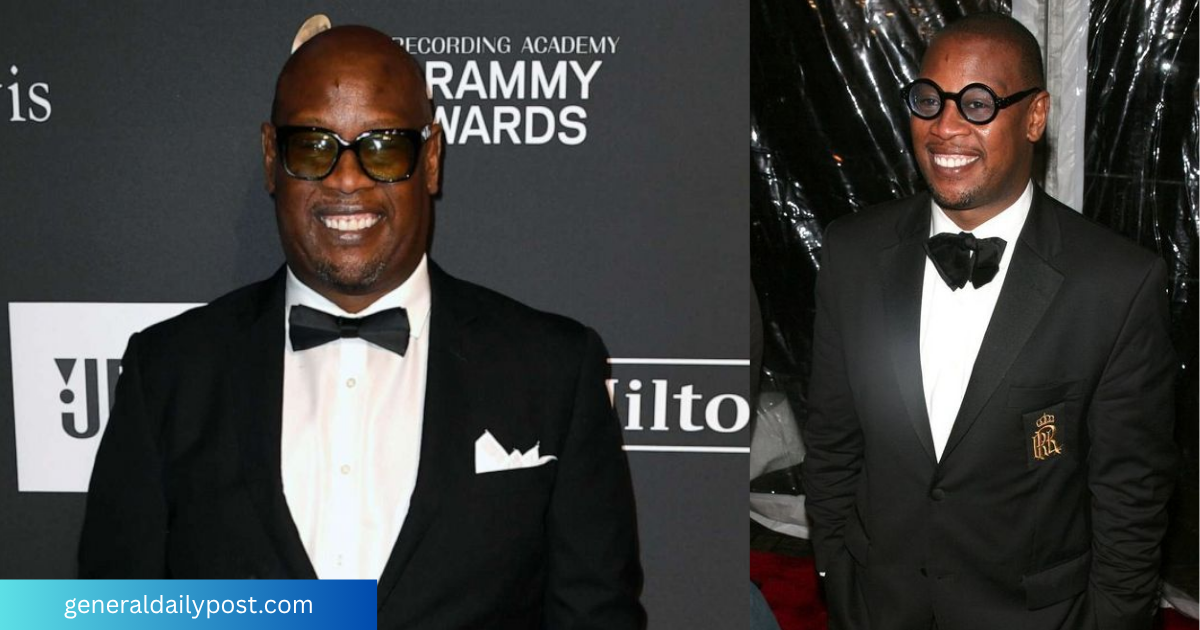
Few names carry as much weight in the history of hip-hop and R&B as Andre Harrell. As the founder of Uptown Records, a former CEO of Motown Records, and the man who gave Sean “Diddy” Combs his first break, Harrell built a career that reshaped urban music forever. Naturally, fans and music historians alike are curious about Andre Harrell’s net worth and how he built his fortune. This article explores his early life, career milestones, business ventures, and the various estimates surrounding his wealth, offering a complete and accurate picture of the man behind the empire.
Who Was Andre Harrell?
Andre O’Neal Harrell was an American record executive, media entrepreneur, and former rapper best known for founding Uptown Records in 1986. Born in New York City, Harrell rose from a teenage hip-hop performer to one of the most influential tastemakers in the music industry. He is widely credited with shaping the “new jack swing” sound and launching the careers of major stars. Beyond music, Harrell expanded into film, television, and corporate leadership, eventually becoming CEO of Motown Records. Understanding Andre Harrell’s net worth requires looking at this full career arc, since his wealth came from multiple industries rather than a single source of income.
Andre Harrell Net Worth at a Glance
Before diving into his life story, here’s a quick snapshot of the key facts most searched about Harrell’s finances and career:
- Full Name: Andre O’Neal Harrell
- Born: September 26, 1960, Bronx, New York City
- Died: May 7, 2020, West Hollywood, California
- Occupation: Record executive, producer, rapper, media entrepreneur
- Known For: Founding Uptown Records, discovering Diddy and Mary J. Blige
- Reported Net Worth: Estimates range widely, from roughly $22 million to $50 million, though no verified public financial disclosure confirms an exact figure
Early Life and Family Background
Harrell was born on September 26, 1960, and raised in the Bronx, New York, before his family later settled in Harlem. His father worked at a produce market, while his mother worked as a nurse’s aide, giving young Andre a working-class upbringing that shaped his hustle-driven mindset. Even as a teenager, Harrell showed strong entrepreneurial instincts, organizing candy drives and taking on jobs with a local messenger service. This early exposure to sales and self-reliance would later prove essential when he transitioned into the competitive music business, where negotiating skills and business acumen mattered just as much as musical taste.
Education and Early Career Ambitions
Harrell graduated from Charles Evans Hughes High School in 1978 with dreams of becoming a television newscaster rather than a music mogul. He initially enrolled at Baruch College before transferring to Lehman College, where he majored in communications and business management. However, his passion for radio and performance pulled him away from academics. In 1983, he withdrew from college to work full-time selling airtime at WINS radio while performing music on weekends. This decision marked a turning point, blending his communication skills with his growing interest in the entertainment business.
Baruch College and Lehman College Years
During his short time in college, Harrell balanced coursework with his budding music career, performing under the name Dr. Jeckyll in his rap duo. His communications background gave him a natural understanding of media and marketing, skills that later helped him position Uptown Records as a lifestyle brand rather than just a label. Though he never finished his degree, the business management courses he took provided a foundation for the corporate negotiations he would later navigate throughout his career in the music and television industries.
The Rise of Dr. Jeckyll & Mr. Hyde
Before becoming an executive, Harrell was a performer. In 1980, he teamed up with high school friend Alonzo Brown to form the hip-hop duo Dr. Jeckyll & Mr. Hyde, with Harrell performing as “Jeckyll.” The duo signed with Profile Records in 1981 and released well-received singles including “Genius Rap,” “The Challenge,” and “Fast Life.” Their song “Genius Rap” was notable for being one of the earliest hip-hop tracks to sample Tom Tom Club’s “Genius of Love.” Although the group disbanded in 1986, this early performing career gave Harrell invaluable industry connections and firsthand insight into artist development.
Breaking into the Music Industry with Russell Simmons
In 1983, Harrell’s career took a decisive turn when he met Russell Simmons, co-founder of Def Jam Recordings. Simmons recognized Harrell’s talent and offered him a job at the label. Within two years, Harrell rose quickly through the ranks to become vice president and general manager of Def Jam. This experience proved crucial, teaching him the mechanics of running a record label from the inside. It also positioned him perfectly for his next major move: when MCA Records approached him with an opportunity to launch his own label in 1986.
Founding Uptown Records: The Beginning of a Legacy
In 1986, Harrell founded Uptown Records through a joint venture with MCA. Unlike Def Jam’s street-focused image, Uptown promoted an aspirational “good life” aesthetic, showcasing artists in stylish clothing surrounded by luxury and success. This branding strategy set Uptown apart and helped define an entire era of R&B and hip-hop fashion. The label became a launching pad for major talent throughout the late 1980s and early 1990s, and its influence on urban music culture is a major reason Harrell’s legacy—and by extension, discussions of Andre Harrell’s net worth—remains relevant decades later.
Discovering Mary J. Blige
One of Harrell’s most celebrated discoveries was Mary J. Blige. In 1988, an impromptu recording of Blige covering Anita Baker’s “Caught Up in the Rapture” reached Uptown through an A&R connection. Harrell met with Blige and signed her in 1989, making her the label’s youngest and first female solo artist. Blige would go on to become one of the most influential R&B artists of all time, and her success at Uptown significantly boosted the label’s reputation and commercial value, contributing indirectly to the executive compensation and industry standing that shaped Harrell’s overall wealth.
Mentoring Sean “Diddy” Combs
Perhaps Harrell’s most famous legacy is discovering and mentoring Sean “Puffy” Combs, who started as an intern at Uptown before rising rapidly through the company. Harrell gave Combs early exposure to A&R work and label operations, skills Combs later used to build Bad Boy Entertainment into a billion-dollar empire. While Combs’ fortune would eventually surpass Harrell’s by a wide margin, Harrell’s mentorship remains one of the most significant contributions to modern hip-hop business history, reinforcing his reputation as a talent incubator rather than solely a wealth accumulator.
Uptown Records’ Biggest Hits and Artists
Beyond Blige and Combs, Uptown Records signed and developed several other major acts, including Heavy D & the Boyz, Jodeci, Guy, and Al B. Sure!. These artists helped popularize the “new jack swing” genre, a fusion of R&B melodies with hip-hop rhythms that dominated radio airwaves throughout the late 1980s and early 1990s. The commercial success of these acts brought substantial revenue to Uptown and MCA, strengthening Harrell’s standing as a top industry executive and setting the stage for the multimedia expansion that would follow in the 1990s.
Expanding Beyond Music: Film and Television Ventures
In 1992, MCA offered Harrell a multimedia deal that extended Uptown’s reach into film and television. Under this arrangement, Harrell produced the feature film Strictly Business and developed New York Undercover, a police drama that aired on FOX from 1994 to 1998. He also renamed his company Uptown Entertainment to reflect this broader scope. This diversification into visual media marked an important shift in Harrell’s career, showing his ability to translate music industry success into other entertainment sectors—an important factor when evaluating the full scope of his earnings.
Andre Harrell’s Tenure as CEO of Motown Records
In 1995, Harrell was appointed CEO of Motown Records, a historic and prestigious position given Motown’s legendary status in American music. Reports at the time indicated his contract was valued at approximately $20 million, tasked with revitalizing a label that had lost momentum since its peak decades earlier. Harrell served in this role until 1997, departing with a reported seven-figure severance package. While his tenure was relatively short, the scale of this executive compensation is one of the clearest documented contributors to Andre Harrell’s net worth during this period of his career.
Life After Motown: Harrell Records and New Ventures
Following his departure from Motown, Harrell continued building his presence in the industry. He founded Harrell Records, distributed through Atlantic Records, and partnered with Atlanta-based L7 Entertainment to release artists such as Hamilton Park and Netta Brielle. He also worked as a consultant for Bad Boy Entertainment, reconnecting professionally with his former protégé, Diddy. Throughout the 2000s and beyond, Harrell remained active in artist development, including helping shape the early career trajectory of singer Robin Thicke, further diversifying his income streams outside of a single label structure.
Role at Revolt TV and Later Career
In the 2010s, Harrell took on the role of Vice Chairman of Revolt, Diddy’s multi-platform music television network. In this capacity, he helped launch the Revolt Music Conference in October 2014, held at the Fontainebleau Hotel in Miami and attended by prominent industry figures including Russell Simmons and L.A. Reid. Harrell also worked on developing a scripted miniseries for BET titled “Uptown,” based on the history of his groundbreaking label, though the project was still in development at the time of his passing. These later ventures reflect his continued relevance well into his final years.
Personal Life and Family
Andre Harrell maintained a relatively private personal life. He had one known child, Gianni Credle-Harrell, born in 1994, with music attorney Wendy Credle. Despite his high public profile in the entertainment world, Harrell kept much of his family life away from media scrutiny. This privacy extended to his finances as well, which is part of why concrete, verified figures regarding Andre Harrell’s net worth remain difficult to pin down, even years after his death, as no official estate filings or financial disclosures have been made publicly available.
Andre Harrell Net Worth Breakdown: How Much Was He Really Worth?
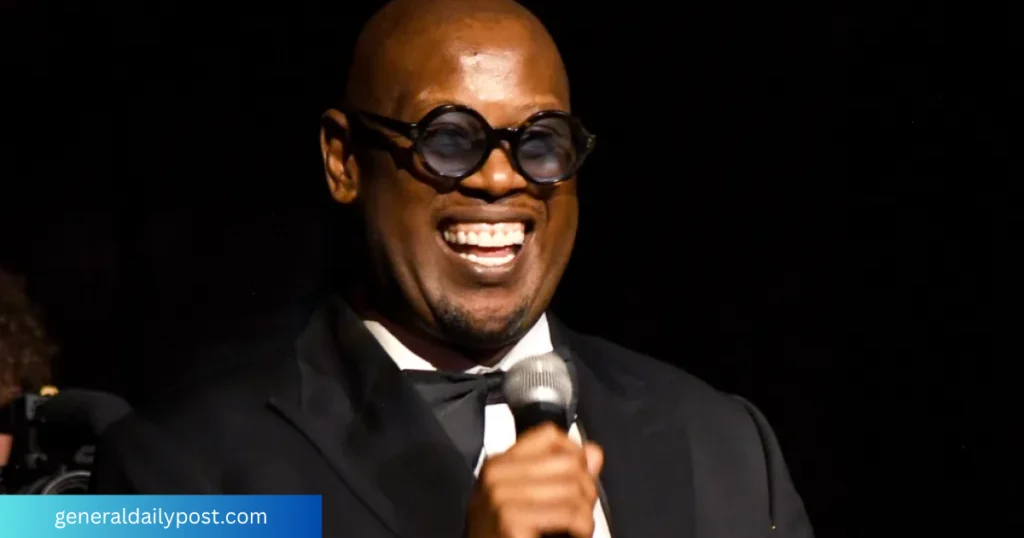
Estimates of Andre Harrell’s net worth vary considerably across different sources. Some celebrity finance sites report a figure of $50 million at the time of his death in 2020, while others cite more conservative estimates closer to $22 million. More cautious analyses suggest a broader range of $5 million to $30 million, noting that no Forbes profile, Bloomberg listing, or verified financial disclosure supports the higher figures. Because Harrell operated largely through executive salaries, production deals, and consulting roles rather than direct equity ownership in major companies, his actual net worth remains one of the more debated figures in music industry finance.
Sources of Andre Harrell’s Wealth
Harrell’s income came from several distinct streams throughout his career. These included his early recording royalties from Dr. Jeckyll & Mr. Hyde, his salary and profit share from Uptown Records, his lucrative multimedia deal with MCA covering film and television projects, and his reported $20 million executive contract at Motown Records. Later income came from Harrell Records, consulting work with Bad Boy Entertainment, and his position at Revolt TV. Unlike some contemporaries who built wealth through direct ownership of music catalogs or company equity, Harrell’s fortune was largely tied to executive compensation.
Why Net Worth Estimates Vary
The wide range in reported figures for Andre Harrell’s net worth stems from the private nature of executive compensation in the entertainment industry. Unlike publicly traded companies, record labels and media ventures rarely disclose individual salaries, bonuses, or severance packages. Additionally, because Harrell primarily earned through contracts and salaries rather than owning masters or equity stakes, his wealth didn’t generate the kind of traceable, recurring royalty income that would make estimation easier. This is a common challenge when assessing the finances of behind-the-scenes entertainment executives compared to recording artists.
Andre Harrell’s Death and Legacy
Andre Harrell passed away on May 7, 2020, at his home in West Hollywood, California, at the age of 59, following years of health issues that led to heart failure. His death was first announced publicly by DJ D-Nice on Instagram, prompting an outpouring of tributes from artists and executives he had mentored throughout his decades-long career. Harrell’s passing marked the loss of one of the most influential architects of modern R&B and hip-hop, someone whose impact on the industry extended far beyond any single financial figure associated with his name.
Andre Harrell’s Impact on Hip-Hop and R&B Culture
Beyond the numbers surrounding Andre Harrell’s net worth, his true legacy lies in his cultural influence. He pioneered a glamorous, aspirational image for Black artists in the music industry, moving away from purely street-focused branding toward a lifestyle of success and sophistication. His mentorship directly shaped the careers of some of the most successful names in entertainment, including Diddy, whose Bad Boy Entertainment empire became one of the most valuable in hip-hop history. Harrell’s fingerprints remain visible across contemporary R&B, hip-hop fashion, and artist development strategies still used today.
Conclusion
Andre Harrell’s story is one of ambition, innovation, and mentorship that reshaped the music industry forever. While exact figures regarding Andre Harrell’s net worth remain uncertain—ranging anywhere from $22 million to $50 million depending on the source—his true value to the industry is measured in the artists he discovered, the genres he helped popularize, and the executives he trained. From founding Uptown Records to leading Motown and later joining Revolt TV, Harrell’s career reflects decades of influence that extended well beyond personal wealth. His legacy as a music industry visionary continues to resonate throughout hip-hop and R&B culture today.
Frequently Asked Questions (FAQs)
1. What was Andre Harrell’s net worth at the time of his death? Estimates vary widely, with some sources citing $50 million, others suggesting closer to $22 million, and more conservative analyses placing it between $5 million and $30 million. No official financial disclosure confirms an exact number.
2. How did Andre Harrell make his money? Harrell earned income through his early rap career, his ownership stake and salary at Uptown Records, a multimedia deal with MCA, his executive contract as CEO of Motown Records, and later consulting and executive roles with Harrell Records, Bad Boy Entertainment, and Revolt TV.
3. Who did Andre Harrell discover? Harrell is best known for discovering and signing Mary J. Blige and mentoring Sean “Diddy” Combs, who both went on to become major figures in the music industry.
4. When did Andre Harrell found Uptown Records? Andre Harrell founded Uptown Records in 1986 through a joint venture with MCA Records.
5. How did Andre Harrell die? Andre Harrell died on May 7, 2020, at his home in West Hollywood, California, due to heart failure after years of health issues.
6. Did Andre Harrell work at Motown Records? Yes, Harrell served as CEO of Motown Records from 1995 to 1997, reportedly under a contract valued at approximately $20 million.
7. Why is Andre Harrell’s exact net worth hard to verify? Because much of his income came from private executive salaries, consulting fees, and contract-based compensation rather than public equity or royalty ownership, there is no verified public financial record confirming his exact net worth.
