


The Yangtze River dams removal initiative stands as one of the most ambitious ecological restoration projects in modern history. Rather than a story about a single person, this is the story of a nation dismantling its own infrastructure to save a dying ecosystem. Along the Chishui River, a vital tributary of the upper Yangtze, Chinese authorities have torn down hundreds of dams and shut down small hydropower stations to bring rare fish species back from the brink. This article explores the full timeline, motivations, key figures, and outcomes of the Yangtze River dams removal program, and why it matters for global river conservation.
What Is the Yangtze River Dams Removal Project?
The Yangtze River dams removal project refers to China’s large-scale effort to dismantle dams and decommission small hydropower stations along the Chishui He, also called the Red River, a 400-kilometer tributary flowing through Yunnan, Guizhou, and Sichuan provinces. By the end of December 2024, 300 of 357 dams had been removed, and 342 of 373 small hydropower facilities had been shut down. This effort is part of a broader Yangtze River Economic Belt protection strategy aimed at reversing decades of ecological damage caused by uncontrolled dam-building, overfishing, and habitat fragmentation across China’s longest waterway.
Background: Why the Yangtze River Needed Saving
For decades, the Yangtze River basin suffered from unchecked industrial expansion, overfishing, and dense hydropower development. Rivers that once teemed with biodiversity became fragmented waterways with disrupted flows and blocked migration routes. Scientists and conservationists repeatedly warned that without intervention, several endemic species faced extinction. The Chinese government eventually recognized that economic development could not continue at the expense of ecological collapse. This realization set the stage for the Yangtze River dams removal program, a shift from decades of construction toward active ecological restoration, marking a rare instance of a major economy voluntarily undoing its own energy infrastructure for environmental gain.
Decades of Hydropower Expansion
Many of the small hydropower stations targeted for removal were built in the 1950s and 1960s, during a period when local power shortages drove rapid, poorly regulated construction. These stations, while helpful for electrification at the time, fragmented river systems and blocked natural water flow. Over the following decades, the cumulative effect of hundreds of small dams severely disrupted sediment transport, oxygen levels, and fish migration corridors. According to Yi Yun, head of Guizhou’s water resources department, this dense hydropower network significantly reduced the river’s natural connectivity, turning a once-thriving tributary into a series of disconnected pools unsuitable for spawning.
The Decline of Native Fish Species
The consequences of dam density became painfully visible in declining fish populations. Species that once migrated freely between spawning and feeding grounds found their paths blocked entirely. Reduced water volumes, altered temperatures, and disrupted currents made natural reproduction nearly impossible for many species. This decline wasn’t isolated to one fish or one location; it reflected a basin-wide ecological emergency. The Yangtze River dams removal campaign emerged directly from this crisis, driven by the urgent need to reconnect fragmented habitats before more species followed the path toward extinction, similar to what had already happened elsewhere in the river system.
The Chishui River (Red River): Ground Zero for Dam Removal
The Chishui River, known as the Red River, has become the centerpiece of the Yangtze River dams removal effort. Considered by ecologists as the last true refuge for rare and endemic fish species in the upper Yangtze basin, this tributary retained a relatively natural flow compared to the heavily dammed mainstream. Flowing through Yunnan, Guizhou, and Sichuan, the Chishui was selected precisely because of its irreplaceable ecological value. Restoring its natural hydrology offered the best chance of reviving critically endangered species. Today, the river increasingly runs free, with dozens of reconnected tributaries and improving water quality, positioning it as a global model for tributary-focused river restoration.
Timeline of the Yangtze River Dams Removal Program
Large-scale demolition efforts began in 2020, coinciding with the introduction of China’s decade-long fishing ban. Between 2020 and 2024, three provinces—Yunnan, Sichuan, and Guizhou—systematically assessed and decommissioned hydropower stations across the Chishui basin. By December 2024, the milestone figures of 300 dams removed and 342 hydropower stations shut down were confirmed by state media. In April 2025, a symbolic breakthrough occurred when 20 adult Yangtze sturgeons were released into the river and later observed spawning naturally in the Dayuba section near Chishui city, marking the first confirmed natural reproduction in over two decades.
Key Numbers Behind the Yangtze River Dams Removal
The scale of this initiative is staggering. Of 357 total dams on the Chishui River, 300 have been dismantled, representing over 84% completion. Similarly, 342 of 373 small hydropower stations, more than 90%, have been decommissioned. In Sichuan province alone, 5,131 hydropower stations were reviewed and rectified, with 1,223 fully shut down. These figures illustrate not a symbolic gesture but a systematic, province-by-province reassessment of hydropower infrastructure. The Yangtze River dams removal program’s scale makes it one of the largest state-led freshwater ecosystem restoration efforts ever documented, drawing comparisons to major river restoration projects in North America and Europe.
The Role of the Yangtze Sturgeon in Driving Change
Few species symbolize the stakes of this project better than the Yangtze sturgeon, often called the river’s “last giant.” Declared extinct in the wild in 2022 by the International Union for Conservation of Nature (IUCN), the species hadn’t reproduced naturally since 2000 due to habitat fragmentation from dams and shipping development. Its decline began as early as the 1970s, driven by overfishing and construction. The sturgeon’s plight became a rallying point for conservationists and policymakers alike. Following the Yangtze River dams removal efforts, the successful natural spawning observed in 2025 offered the clearest evidence yet that dam removal directly restores reproductive capability for critically endangered aquatic species.
The Chinese Paddlefish Extinction: A Wake-Up Call
Before the sturgeon’s crisis captured headlines, the Chinese paddlefish, another ancient Yangtze species, was declared extinct entirely. This loss served as a sobering wake-up call for Chinese authorities and scientists, illustrating what happens when habitat degradation goes unaddressed for too long. The paddlefish’s disappearance highlighted an uncomfortable truth: incremental conservation measures were insufficient against decades of cumulative damage. It strengthened political will behind more aggressive interventions, including the Yangtze River dams removal initiative. Conservationists frequently cite the paddlefish’s extinction as the turning point that made large-scale dam removal politically and socially acceptable, despite the economic costs of decommissioning working hydropower infrastructure.
China’s 10-Year Fishing Ban and Broader Conservation Strategy
Dam removal did not happen in isolation. In 2020, China introduced a 10-year comprehensive fishing ban across key sections of the Yangtze basin, prohibiting commercial fishing to allow depleted populations to recover. This measure worked alongside restrictions on sand mining, which had long disturbed feeding and spawning grounds, and tighter regulation of new infrastructure projects. Together, these policies formed a cohesive strategy rather than isolated fixes. The Yangtze River dams removal program functioned as one pillar within this larger framework, demonstrating that reversing ecological damage requires simultaneous action across fishing practices, habitat connectivity, sediment management, and industrial regulation rather than single-issue interventions.
How Authorities Decided Which Dams to Remove
Not every dam was targeted for demolition. Chinese officials conducted detailed assessments, retaining structures that served essential flood-control functions while removing others only after confirming local water needs would still be met. Professor Zhou Jianjun, a hydraulic engineering expert at Tsinghua University, emphasized that decommissioning doesn’t always require full demolition—sometimes changing water control methods after halting power generation achieves the same ecological benefit. This nuanced, case-by-case approach ensured the Yangtze River dams removal program balanced environmental restoration against practical community needs, avoiding blanket demolition in favor of targeted, evidence-based decisions guided by hydrological and ecological data.
Ecological Results After Yangtze River Dams Removal
The measurable outcomes of this program have exceeded many expectations. Monitoring data from the Institute of Hydrobiology revealed a clear increase in fish species diversity across restored sections of the Chishui River. This resurgence extends beyond sturgeon alone, encompassing other endangered fish, amphibians, and invertebrates. Natural water levels, sediment flow, and migration corridors have steadily returned as hydropower density decreased. According to Guizhou officials, over 20 tributaries have been reconnected to the main stream. These results validate the underlying premise of the Yangtze River dams removal project: that habitat reconnection directly translates into biodiversity recovery within a relatively short timeframe.
Rebounding Fish Populations
Beyond the sturgeon’s celebrated return to natural spawning, broader fish population surveys show encouraging trends throughout the Chishui basin. Species that had disappeared from certain stretches for years are being documented again in areas where dams once blocked passage. This rebound reflects improved oxygen levels, restored temperature gradients, and reconnected breeding grounds. Researchers describe this recovery as one of the strongest indicators that large-scale hydropower decommissioning can meaningfully reverse aquatic biodiversity loss, even after decades of degradation, offering encouraging evidence for similar restoration efforts being considered elsewhere in China and internationally.
Improved Water Quality
Alongside biodiversity gains, water quality across major sections of the Yangtze and its tributaries has improved noticeably. Government assessments graded water quality in restored areas as “excellent”, a significant shift from previous decades of pollution and sediment disruption. Reduced sand mining activity, a direct consequence of the broader conservation strategy, contributed to clearer waters and healthier riverbeds. These improvements matter not just ecologically but also for downstream communities that depend on the river for agriculture, drinking water, and fisheries, reinforcing that the Yangtze River dams removal program delivers benefits extending well beyond wildlife conservation alone.
Three Gorges Dam and the Contrast with Small Hydropower Removal
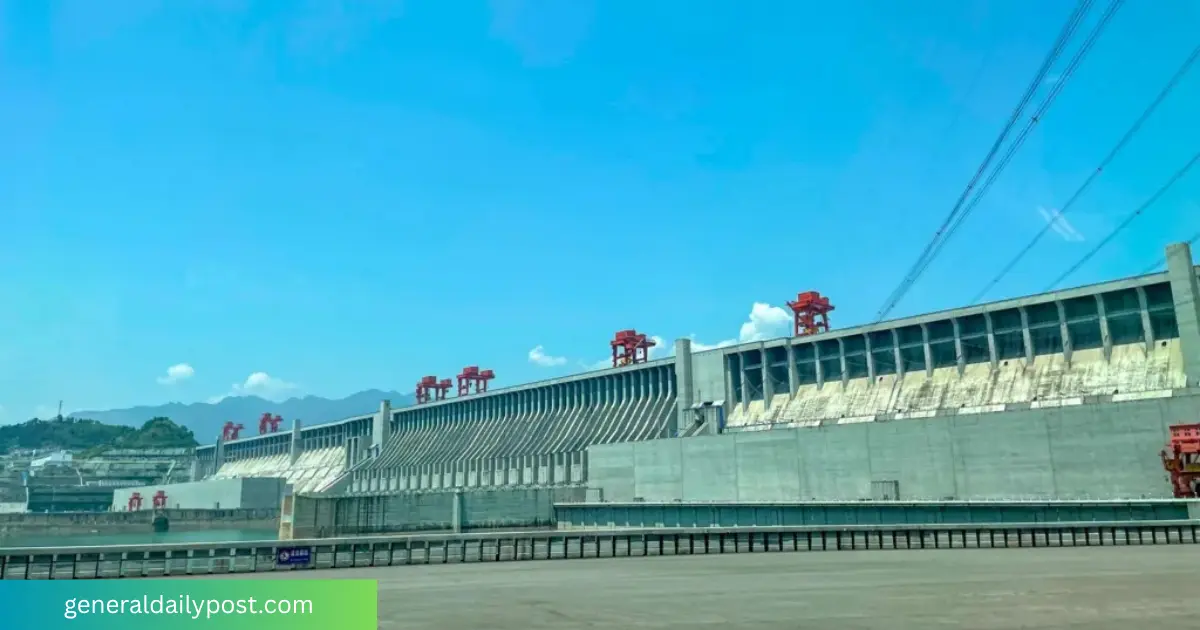
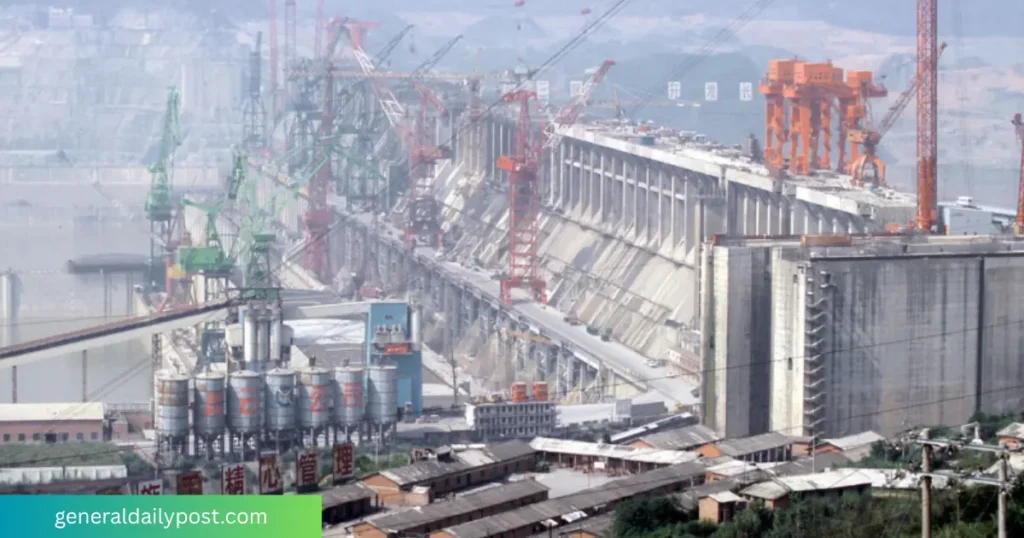
It’s worth distinguishing this initiative from China’s massive infrastructure like the Three Gorges Dam, which remains fully operational and central to national energy and flood-control strategy. The Yangtze River dams removal program specifically targets small, often outdated hydropower stations on tributaries—not major mainstream infrastructure. This distinction matters because it shows China’s approach isn’t wholesale de-damming of the Yangtze system, but a targeted correction focused on smaller structures whose ecological costs outweighed their diminishing energy contributions, while large strategic dams supporting flood control and regional power generation remain firmly in place.
Sichuan and Guizhou’s Contribution to the Restoration Effort
Provincial governments played a central role in executing this ambitious program. Guizhou province led significant demolition work along the Chishui, while Sichuan conducted an extensive review of over 5,131 hydropower stations, ultimately shutting down 1,223 of them. Yunnan similarly contributed decommissioning efforts within its jurisdiction. This coordinated, multi-province approach required significant administrative cooperation and shared ecological goals across regional boundaries. The success of the Yangtze River dams removal initiative demonstrates how decentralized implementation, guided by unified national conservation policy, can achieve consistent, measurable environmental outcomes across diverse geographic and administrative contexts.
Global Significance of the Yangtze River Dams Removal
International observers have described this initiative as one of the largest state-led aquatic biodiversity restoration efforts in the world. It offers a compelling case study for other nations grappling with aging, ecologically harmful hydropower infrastructure. Unlike smaller dam removal projects seen in the United States or Europe, the Yangtze River dams removal program operates at an unprecedented scale, involving hundreds of structures across multiple provinces. Its success in restoring natural sturgeon reproduction—achieved within just a few years of intensive intervention—provides valuable data for conservationists worldwide considering similar large-scale interventions on other major river systems facing comparable ecological pressures.
Challenges and Criticism of the Dam Removal Program
Despite its achievements, the initiative hasn’t been without complications. Removing hydropower infrastructure inevitably affects local electricity generation and requires alternative energy planning for affected communities. Some critics question whether full demolition is always necessary compared to modified water management approaches. There are also long-term monitoring challenges: verifying sustained biodiversity recovery requires years, not months, of consistent data collection. Additionally, balancing flood-control needs against ecological restoration demands careful ongoing assessment. These challenges don’t undermine the program’s achievements but highlight that the Yangtze River dams removal effort remains an evolving, adaptive process rather than a finished undertaking.
What’s Next for the Yangtze River Economic Belt
Looking ahead, Chinese authorities have signaled continued commitment to expanding ecological restoration across the broader Yangtze River Economic Belt. Officials have indicated plans to monitor remaining hydropower stations for possible future decommissioning, alongside continued enforcement of fishing bans and sand mining restrictions. The 2023 national biodiversity report noted sustained improvements across aquatic ecosystems, suggesting momentum will likely continue. Future phases may extend similar restoration principles to other Yangtze tributaries beyond the Chishui. As monitoring data accumulates, the Yangtze River dams removal program is expected to serve as a long-term template guiding China’s broader freshwater conservation policy for decades to come.
Conclusion
The Yangtze River dams removal initiative represents a remarkable shift in how a major industrialized nation approaches environmental restoration. By dismantling hundreds of dams and shutting down small hydropower stations along the Chishui River, China has demonstrated that reversing decades of ecological damage is possible with sustained political will and coordinated provincial action. The natural return of Yangtze sturgeon spawning stands as powerful proof that habitat reconnection works. While challenges remain, this program offers valuable lessons for global river conservation, proving that even severely degraded ecosystems can recover when nations choose restoration over short-term infrastructure gains.
Frequently Asked Questions (FAQs)
1. What is the Yangtze River dams removal program? It is a large-scale Chinese initiative to dismantle dams and decommission small hydropower stations, primarily along the Chishui River, to restore natural fish habitats and biodiversity.
2. How many dams have been removed so far? As of December 2024, 300 of 357 dams on the Chishui River had been removed, along with 342 of 373 small hydropower stations.
3. Why did China target the Chishui River specifically? The Chishui River, or Red River, is considered the last major refuge for rare and endemic fish species in the upper Yangtze basin, making it a priority for restoration.
4. Did the Three Gorges Dam get removed too? No. The Three Gorges Dam remains fully operational; only smaller, older hydropower stations on tributaries were targeted for removal.
5. Has the Yangtze sturgeon started reproducing naturally again? Yes. In 2025, released sturgeons successfully spawned naturally in the Chishui River for the first time in over two decades.
6. Is China planning to remove more dams in the future? Officials have signaled potential future decommissioning as part of the ongoing Yangtze River Economic Belt conservation strategy.
7. What other measures support the dam removal effort? A 10-year fishing ban, sand mining restrictions, and stricter infrastructure regulations work alongside dam removal to restore the river ecosystem.
