


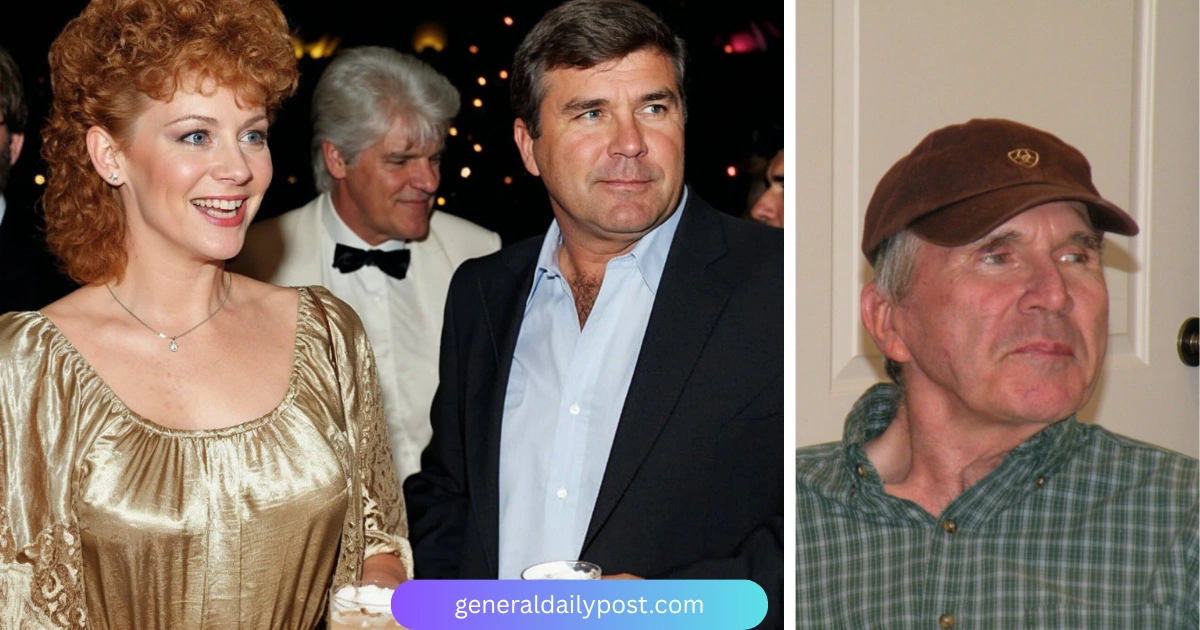
Charlie Battles remains one of the most talked-about figures in American rodeo history, not only for his athletic achievements but also for his marriage to country music icon Reba McEntire. Long before Reba became the “Queen of Country,” she was a young Oklahoma cowgirl married to a rugged steer-wrestling champion whose life was shaped by grit, tradition, and the open range. This article takes a deep dive into the life of Charlie Battles — his early years, rodeo career, marriage, family, and lasting legacy — offering readers an authentic and detailed look at the man behind the name.
Who Was Charlie Battles?
Charlie Battles was an American rodeo athlete, cattle rancher, and U.S. Army veteran best known for two things: his championship-level success in steer wrestling and his high-profile marriage to Reba McEntire. Unlike many public figures connected to celebrities, Battles deliberately avoided the spotlight, choosing instead to live a private, ranch-centered life in Oklahoma. His identity was built long before fame touched his world, rooted firmly in cowboy culture, hard labor, and rodeo competition. To fans of country music history and rodeo sports alike, Charlie Battles represents a bridge between two distinctly American worlds — the arena and the stage.
Early Life and Family Background
Charlie Battles was born on March 9, 1945, in Tulsa, Oklahoma, to parents Earl Warner Battles and Ocey Irene Donaho. He grew up alongside two siblings, a brother named Jim Battles and a sister named Roxey Battles. Raised in a rural Oklahoma household, young Charlie was immersed early in farming, ranching, and animal handling. This upbringing instilled the discipline and toughness that would later define his rodeo career. Formal academic records about his schooling remain scarce, largely because his real education happened outdoors — on horseback, around livestock, and within the demanding rhythms of ranch life that shaped much of rural Oklahoma during the mid-twentieth century.
Military Service in the U.S. Army
Before rodeo brought him recognition, Charlie Battles served his country. At just 17 years old, in 1962, he enlisted in the United States Army, where he trained for approximately ten months before being stationed in Germany. During his service, he worked as an Armor Intelligence Specialist, a role requiring precision, discipline, and sharp judgment. After completing his three-year enlistment, Battles was honorably discharged in 1965. This military background contributed significantly to his character, reinforcing the resilience and mental toughness that later helped him thrive in the physically punishing sport of steer wrestling.
Charlie Battles and His Rise in Rodeo Sports
After leaving the Army, Charlie Battles returned home to Oklahoma and turned his attention to rodeo. He quickly gravitated toward steer wrestling, also known as bulldogging, one of rodeo’s most dangerous and physically demanding events. In this sport, a cowboy leaps from a moving horse onto a running steer, wrestling it to the ground using sheer strength, timing, and courage. Battles competed extensively on the PRCA (Professional Rodeo Cowboys Association) and IRA rodeo circuits, steadily building a reputation as a fierce and capable competitor within the American rodeo community.
Championship Titles and Career Highlights
Charlie Battles earned major steer-wrestling titles in 1968, 1970, and 1971, cementing his status as one of the sport’s respected competitors during that era. His career peaked when he qualified for the PRCA National Finals Rodeo in 1974, an achievement reserved only for the top-ranked cowboys in the country. Reaching the National Finals Rodeo required consistent performance across an entire competitive season, and Battles’ presence there confirmed his standing among rodeo’s elite. Despite these accomplishments, rodeo winnings alone rarely provided financial stability, which pushed him to combine his competitive career with steady ranch work.
Life as a Rancher
Beyond the rodeo arena, Charlie Battles built his life around cattle ranching. Ranch work was not simply a backup income source; it was central to his identity and daily routine. He managed livestock, maintained land, and embraced the demanding lifestyle of Oklahoma ranching long after his competitive rodeo days slowed down. This connection to the land remained constant throughout his life, even as his personal circumstances changed dramatically. For Battles, ranching represented stability, tradition, and a direct link to the values instilled in him during childhood — values he continued to pass down within his family.

First Marriage and Children
Before meeting Reba McEntire, Charlie Battles was married to a woman named Sherrie, with whom he had two sons: Lance Battles and Coty Battles. This first marriage ended in divorce, leaving Battles a single father navigating both parenthood and a demanding rodeo career simultaneously. His son Coty Battles later followed directly in his father’s footsteps, competing in steer wrestling before transitioning into ranch work himself. Lance, by contrast, maintained a much more private life, with limited public information available about his adult career or personal pursuits.
Meeting Reba McEntire
Charlie Battles met a young Reba McEntire through the shared world of rodeo, where both families were deeply involved. Reba, born on March 28, 1955, in McAlester, Oklahoma, grew up as the daughter of champion steer roper Clark McEntire, making rodeo culture a natural common ground between them. Their romance developed against the backdrop of dusty arenas, ranch chores, and small-town Oklahoma life. Battles, roughly ten years older than Reba, brought experience and stability, while she brought ambition and an emerging musical talent that would soon reshape both of their lives.
Marriage to Reba McEntire in 1976
On June 21, 1976, Charlie Battles married Reba McEntire in Oklahoma. At the time, Reba was just 21 years old, while Battles was 31, already a divorced father of two sons. The couple settled into ranch life together, splitting their time between managing cattle and supporting Reba’s earliest steps into the country music industry. Reba later reflected fondly on this period, stating she loved Charlie deeply and cherished the shared experiences of rodeo and ranching. Their marriage placed Battles firmly within country music history, even though he never sought that recognition himself.
Life During the Marriage
During their marriage, Charlie Battles and Reba divided their responsibilities between the Stringtown, Oklahoma ranch and Reba’s rapidly growing music career. Reba became a stepmother to Lance and Coty, integrating herself into Battles’ established family life. In the early years, their partnership appeared balanced — Charlie supported Reba’s ambitions while she embraced ranch responsibilities alongside him. However, as Reba’s career accelerated through the late 1970s and into the 1980s, the demands of touring, recording, and public appearances began pulling her away from the ranch-centered life Charlie preferred, setting the stage for future tension.
Growing Tensions and Strain
As Reba McEntire’s fame expanded, cracks began appearing in her marriage to Charlie Battles. Battles reportedly preferred a quieter, more traditional lifestyle and asked Reba to slow down her career pace. Reba, however, had worked tremendously hard to reach that point and was unwilling to step back. Reports from the era also describe financial disagreements and personality clashes that intensified over time. Reba herself later acknowledged the difficulty of balancing marriage and stardom, admitting that her career ultimately took priority during a period when their relationship needed more attention than either could provide.
The 1987 Divorce
After eleven years of marriage, Charlie Battles and Reba McEntire divorced in 1987. The separation marked the end of a relationship that had begun in small-town Oklahoma and unfolded alongside one of country music’s most remarkable rises to stardom. Following the divorce, Reba relocated to Nashville, Tennessee, fully immersing herself in her music career. Battles, in contrast, stepped back from public life entirely, returning to his familiar world of ranching and rodeo, far removed from the entertainment industry that had reshaped his former wife’s life.
Life After Divorce
Following his separation from Reba, Charlie Battles continued living a private, ranch-focused life in Oklahoma. He avoided leveraging his connection to a country music superstar for personal gain, a choice that earned him quiet respect within rodeo circles. In 1998, he remarried, this time to Donna Granger, with whom he remained until his passing. This second marriage allowed Battles to continue the lifestyle he valued most — one centered on land, livestock, and family, far from cameras and public scrutiny that defined his former wife’s career trajectory.
Charlie Battles’ Net Worth
Estimates suggest Charlie Battles had a net worth of approximately $3 million, built primarily through decades of ranching and his earlier rodeo winnings. This figure may surprise those who associate him solely with fame through marriage, but it reflects a lifetime of sustained agricultural work rather than celebrity income. Unlike public figures who capitalize on high-profile relationships, Battles maintained a modest, working-class approach to wealth, reinvesting in land and livestock rather than pursuing visibility or media opportunities connected to his past marriage.
Health Struggles and Death
In 2006, Charlie Battles suffered a debilitating stroke that significantly impacted his health in the years that followed. He continued facing complications related to this event until his passing on April 21, 2013, in Sulphur, Calcasieu Parish, Louisiana, at the age of 68. His death, attributed to heart failure and stroke-related complications, drew tributes from rodeo peers, family members, and those who remembered his contributions to steer wrestling. Though he had lived largely outside public attention for decades, his passing renewed interest in his remarkable, if understated, life story.
Legacy Within Rodeo and Country Music History
Charlie Battles’ legacy exists at the intersection of two distinctly American traditions: rodeo sport and country music. Within rodeo circles, he is remembered as a genuine championship-caliber steer wrestler who competed at the highest level, including the National Finals Rodeo. Within country music history, he holds a permanent place as Reba McEntire’s first husband, a formative figure during her earliest professional years. Rather than chasing fame, Battles chose authenticity, privacy, and tradition — qualities that continue to define how those who knew him personally choose to remember his character and contributions.
Family Life and Children’s Careers
Charlie’s son Coty Battles carried forward his father’s rodeo legacy, competing in steer wrestling before eventually settling into ranch management, much like his father before him. This continuation reflects the strong generational ties within the Battles family to cowboy culture and agricultural life. Lance Battles chose a considerably more private path, with minimal public information available regarding his career or personal milestones. Despite their parents’ divorce, Reba reportedly remained a supportive presence in her stepsons’ lives well after her marriage to Charlie ended, maintaining relationships built during their years together.
Why Charlie Battles Still Matters Today
Even decades after his divorce from Reba McEntire, Charlie Battles continues to attract interest from country music fans, rodeo enthusiasts, and biography readers alike. His story offers a rare, grounded counterpoint to modern celebrity culture — a man who briefly intersected with global fame yet chose to remain rooted in ranch life rather than pursue public recognition. For readers interested in rodeo history, authentic Americana, or the personal history behind one of country music’s most enduring stars, Charlie Battles’ biography provides valuable, human context often missing from surface-level celebrity narratives.
Conclusion
Charlie Battles lived a life defined by discipline, tradition, and quiet resilience. From his early days on an Oklahoma ranch to his service in the U.S. Army, his championship steer-wrestling career, and his marriage to a future country music legend, Battles embodied the authentic spirit of American rodeo culture. Though widely recognized as Reba McEntire’s first husband, his identity was never limited to that connection. He built a respected career, raised a family, and remained true to the cowboy values instilled in him from childhood until his death in 2013. His story remains a compelling piece of both rodeo history and country music heritage.
Frequently Asked Questions (FAQs)
1. Who was Charlie Battles? Charlie Battles was an American steer-wrestling champion, cattle rancher, and U.S. Army veteran, best known as the first husband of country music star Reba McEntire.
2. When was Charlie Battles born, and when did he die? Charlie Battles was born on March 9, 1945, in Tulsa, Oklahoma, and passed away on April 21, 2013, at the age of 68.
3. How did Charlie Battles meet Reba McEntire? They met through their shared involvement in rodeo, as both came from families deeply connected to steer roping and steer wrestling in Oklahoma.
4. Why did Charlie Battles and Reba McEntire divorce? After eleven years of marriage, the couple divorced in 1987 due to growing personal and lifestyle differences, largely stemming from Reba’s demanding music career versus Charlie’s preference for ranch life.
5. Did Charlie Battles have children? Yes, he had two sons, Lance and Coty Battles, from his first marriage to a woman named Sherrie, prior to marrying Reba McEntire.
6. What was Charlie Battles’ net worth? His estimated net worth was around $3 million, primarily earned through ranching and his earlier rodeo career winnings.
7. Did Charlie Battles remarry after divorcing Reba McEntire? Yes, he remarried in 1998 to Donna Granger, with whom he remained until his death in 2013.
