


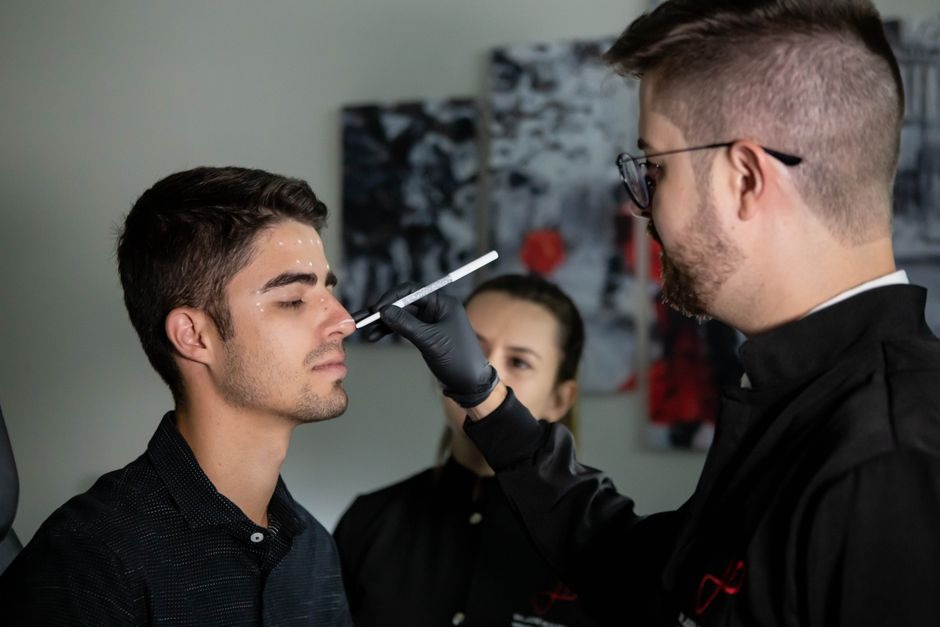
For adults in Del Mar, California, maintaining a refreshed appearance can become challenging as the delicate tissues around the eyes change with age. Even with adequate sleep, healthy habits, and consistent skincare, some people develop heavy upper eyelids, persistent under-eye bags, or shadows that make them appear exhausted.
These changes do not always indicate poor health or insufficient rest. Genetics, skin elasticity, facial anatomy, and age-related changes in fat distribution can all influence the eye area.
Understanding the difference between cosmetic concerns and symptoms requiring medical attention helps people make informed decisions. The goal is to protect eye health while exploring appropriate ways to address changes that affect comfort, vision, or appearance.
Why Eyelid Changes Sometimes Require More Than Skincare
The skin around the eyes is relatively thin and undergoes repeated movement through blinking and facial expressions. Over time, changes in elasticity and underlying tissues can contribute to upper eyelid hooding and puffiness beneath the eyes.
Eye creams may improve hydration and temporarily soften the appearance of fine lines, but they cannot reliably remove significant excess skin or reposition protruding fat.
When these structural changes become pronounced, some individuals consider eyelid surgery. A consultation for blepharoplasty in Del Mar can help determine whether upper eyelid skin, lower eyelid fat, or changes in surrounding tissue are responsible for the concern.
Blepharoplasty may involve removing excess skin, adjusting fat deposits, or refining eyelid contours. The appropriate technique depends on anatomy, eye health, and personal goals.
Because eyelid function is essential for protecting the eyes, surgical planning must prioritize comfortable closure and natural movement alongside appearance.
How Skin Elasticity Changes the Upper Eyelids
Collagen, and elastin help maintain skin structure and flexibility. Their properties change with age, while cumulative ultraviolet exposure can contribute to additional skin damage.
As the upper eyelid skin becomes less resilient, it may form folds that extend toward the eyelashes.
For some people, this creates a heavy appearance without affecting vision. Others may experience obstruction of their upper or peripheral visual field.
However, apparent eyelid drooping can have different causes.
Excess skin, a low eyebrow position, and true eyelid ptosis involve different anatomical structures and may require different treatments.
An ophthalmologist can assess whether the eyelid position affects vision or reflects an underlying medical condition.
Identifying the cause is more useful than assuming every drooping eyelid requires cosmetic surgery.
Understanding Why Under-Eye Bags Become More Noticeable
Under-eye bags are not always caused by fluid retention or inadequate sleep.
The lower eyelids contain fat compartments that help cushion the eyes. With age, changes in surrounding support structures may allow these compartments to become more prominent.
This can create persistent puffiness even when someone feels well-rested.
Temporary swelling may also occur because of allergies, dietary factors, or fluid shifts.
The distinction matters because treatments for occasional swelling differ from those intended to address structural fat prominence.
Cold compresses and managing allergies may improve temporary puffiness, but they cannot permanently reposition protruding fat.
Lower eyelid surgery may involve carefully repositioning or removing selected fat deposits.
A qualified specialist should assess eyelid support and skin quality before recommending treatment.
Why Sun Protection Matters for the Eye Area
Sun exposure contributes to visible skin aging through changes in pigmentation, collagen, and skin texture.
The delicate area around the eyes can develop fine lines and uneven coloration after years of ultraviolet exposure.
Daily broad-spectrum sunscreen is useful, but products should be applied carefully to avoid irritating the eyes.
Sunglasses offering appropriate ultraviolet protection and wide-brimmed hats provide additional coverage.
Avoiding intentional tanning can also reduce cumulative skin damage.
Some pigmentation concerns may benefit from professional dermatological treatments, although the thin eyelid skin requires particular caution.
New or changing lesions around the eyes should receive medical assessment before cosmetic treatment.
Sun protection cannot prevent every age-related change, but it remains an important part of preserving skin health.
Recognizing When Drooping Eyelids Affect Vision
Changes around the eyes are sometimes more than aesthetic concerns. Excess upper eyelid skin can interfere with the visual field, making activities such as reading or driving less comfortable.
Some individuals compensate by raising their eyebrows repeatedly, which may contribute to forehead tension.
However, vision changes should never automatically be attributed to aging skin.
An ophthalmologist can evaluate eyelid position, eye movements, visual fields, and other possible causes of impaired vision.
Sudden eyelid drooping, particularly when accompanied by double vision, weakness, or an unusual headache, requires urgent medical assessment.
When excess skin obstructs vision, functional eyelid surgery may be considered after appropriate evaluation.
The distinction between cosmetic and functional treatment is important because medical indications, assessment requirements, and potential insurance coverage can differ.
Comparing Non-Surgical Treatments With Eyelid Surgery
Different aesthetic treatments address different changes around the eyes.
Botulinum toxin injections may soften certain expression lines, including crow’s feet, by temporarily reducing selected muscle activity.
Laser resurfacing and other skin treatments may improve fine wrinkles or texture in suitable patients.
However, these procedures cannot reliably correct substantial upper eyelid skin excess or prominent lower eyelid fat.
Surgery can address selected structural concerns but introduces additional risks, including bleeding, infection, asymmetry, scarring, dry eyes, and difficulty closing the eyelids.
Patients should also understand that removing too much tissue can compromise both appearance and function.
A careful consultation should compare realistic benefits, limitations, and recovery requirements.
The most appropriate choice depends on the underlying anatomy rather than the popularity of a particular procedure.
Preparing for Recovery After Eyelid Procedures
Recovery planning is important when considering surgical treatment around the eyes.
Swelling, bruising, temporary tightness, and mild discomfort are common during early healing.
Patients may receive instructions about cold compresses, wound care, sleeping position, and temporary activity restrictions.
Contact lenses and eye makeup may also need to be avoided until the surgeon confirms that healing is adequate.
Arranging transportation and allowing time away from demanding activities can make recovery more manageable.
Although visible swelling often improves during the first several weeks, final refinement may continue for months.
Severe pain, sudden vision loss, or rapidly worsening swelling after surgery requires immediate medical attention.
Following individualized postoperative instructions is essential because recovery varies according to the procedure and the patient’s health.
Maintaining Healthy Eyes as You Age
A refreshed appearance should never come at the expense of eye health.
Regular eye examinations can identify vision changes, dry eye conditions, and other concerns that may influence treatment decisions.
People experiencing persistent irritation, excessive tearing, or difficulty closing their eyes should seek professional assessment rather than relying exclusively on cosmetic products.
Adequate sleep, balanced nutrition, sun protection, and management of existing medical conditions also support general well-being.
For those considering aesthetic treatment, realistic expectations are particularly important.
Eyelid procedures can improve selected contours, but they cannot stop natural aging or eliminate every facial wrinkle.
A qualified specialist should explain which changes can reasonably be addressed and which may remain afterward.
Ultimately, looking tired and feeling tired are not always the same thing. Understanding the anatomical and medical reasons behind eyelid changes allows people to make thoughtful decisions that respect both appearance and long-term eye function.
